
Knee Trauma Treatment in Mount Pleasant, SC
A traumatic knee injury can significantly affect your mobility, stability, and quality of life. Whether your injury occurred during sports, a fall, a motor vehicle accident, or another high-impact event, prompt evaluation is essential to prevent further damage and support a successful recovery. Blake Ohlson, M.D. is a board-certified, fellowship-trained orthopedic surgeon and regenerative medicine specialist providing comprehensive care for patients with knee trauma in Mount Pleasant, SC He treats a full range of knee injuries, including ligament tears, meniscus injuries, fractures, tendon ruptures, dislocations, and other traumatic knee conditions using both advanced non-surgical treatments and minimally invasive surgical techniques when appropriate.
Every knee injury is unique. Dr. Ohlson performs a thorough evaluation using a detailed physical examination and advanced diagnostic imaging to determine the extent of your injury and develop a personalized treatment plan. His goal is to relieve pain, restore stability, improve function, and help you safely return to work, sports, and everyday activities as quickly as possible.
What is Knee Trauma?
The knee is a complex joint made up of bones (femur, tibia, patella), ligaments, tendons, cartilage (menisci), and muscles. Knee trauma refers to any injury or damage sustained by the structures of the knee joint due to a sudden force, accident, fall, or direct impact.
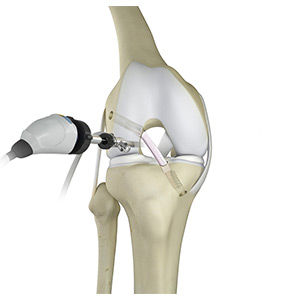
What are the Types of Knee Trauma?
Common types of knee trauma include:
- Ligament Injuries
- ACL (Anterior Cruciate Ligament) Tear – common in sports, usually from a sudden twist or stop.
- PCL (Posterior Cruciate Ligament) Injury – often from a direct blow to the front of the knee.
- MCL/LCL (Medial/Lateral Collateral Ligament) Injury – often from side impacts.
- Meniscus Tears
- Damage to the cartilage that cushions the knee, typically from twisting injuries.
- Fractures
- Patellar (kneecap) fractures or breaks in the femur or tibia near the joint.
- Dislocations
- The kneecap or the entire joint can become dislocated from its normal position.
- Tendon Ruptures
- Quadriceps or patellar tendon tears, which often require surgical repair.
- Contusions and Lacerations
- Bruising or cuts from blunt trauma or sharp injury.
What are the Causes of Knee Trauma?
Common causes of knee trauma include:
- Sports injuries (e.g., twisting, direct blows)
- Falls or accidents
- Overuse or repetitive strain
- Sudden stops or directional changes
What are the Symptoms of Knee Trauma?
Common symptoms of knee trauma include:
- Pain (localized or generalized)
- Swelling and bruising
- Instability or feeling of “giving way”
- Stiffness or loss of range of motion
- Audible pop at the time of injury (common in ACL tears)
- Inability to bear weight
How is Knee Trauma Diagnosed?
The diagnosis of knee trauma begins with a thorough medical history to understand the mechanism of injury and the nature of symptoms such as pain, swelling, instability, or locking. A physical examination follows, during which the doctor inspects the knee for visible signs of injury, palpates for tenderness, and performs specific tests to assess the integrity of ligaments and menisci. Imaging studies are often necessary to confirm the diagnosis - X-rays are used to detect fractures or dislocations, while MRI scans provide detailed views of soft tissue structures like ligaments, tendons, and cartilage. In some cases, ultrasound may be used to evaluate fluid buildup or tendon damage, and CT scans can offer additional detail for complex bone injuries.
What is the Treatment for Knee Trauma?
Treatment for knee trauma depends on the severity and type of injury, but generally includes both non-surgical and surgical options:
Conservative (Non-Surgical) Treatment:
- RICE Protocol (Rest, Ice, Compression, Elevation) – to reduce pain and swelling.
- Medications – nonsteroidal anti-inflammatory drugs (NSAIDs) like ibuprofen for pain and inflammation.
- Immobilization – use of knee braces or splints to stabilize the joint during healing.
- Physical therapy – strengthens muscles, restores motion, and prevents stiffness or instability.
- Activity Modification – avoiding activities that aggravate the injury.
Surgical Treatment:
- Arthroscopy – minimally invasive surgery for meniscus tears, ligament injuries, or loose bodies.
- Ligament Reconstruction – e.g., ACL or PCL reconstruction using grafts.
- Fracture Fixation – internal fixation with screws or plates for broken bones.
- Tendon Repair – reattachment of torn tendons like the patellar or quadriceps tendon.
- Total or Partial Knee Replacement – in severe or chronic cases, especially with joint damage.
Rehabilitation is critical after any treatment to ensure a return to normal function and prevent re-injury.
Why Choose Dr. Blake Ohlson for Knee Trauma in Mount Pleasant, SC?
Choosing an experienced orthopedic specialist is an important step toward achieving the best possible recovery after a knee injury. Dr. Blake Ohlson combines more than 20 years of orthopedic experience with expertise in sports medicine, trauma care, arthroscopic surgery, and regenerative medicine to provide individualized treatment for patients throughout Mount Pleasant and the surrounding Lowcountry.
Patients choose Dr. Ohlson because he offers:
- Board-certified, fellowship-trained orthopedic expertise
- Extensive experience treating sports injuries and traumatic knee conditions
- Comprehensive care ranging from conservative treatment to advanced surgical reconstruction
- Expertise in minimally invasive arthroscopic knee procedures
- Advanced diagnostic tools, including musculoskeletal ultrasound when appropriate
- Personalized treatment plans focused on restoring mobility and long-term knee health
- Access to innovative regenerative medicine options for appropriate candidates
- Convenient orthopedic care in Mount Pleasant, SC
Whether your injury involves a torn ligament, fractured bone, damaged cartilage, or multiple structures within the knee, Dr. Ohlson works closely with each patient to recommend the treatment approach best suited to their injury, activity level, and recovery goals.
Knee Trauma FAQs
What is considered knee trauma?
Knee trauma refers to any injury affecting the bones, ligaments, tendons, cartilage, muscles, or other structures of the knee. Common examples include ACL tears, meniscus tears, fractures, tendon ruptures, and knee dislocations.
When should I see an orthopedic specialist after a knee injury?
You should seek prompt medical evaluation if you experience severe pain, significant swelling, instability, inability to bear weight, visible deformity, or hear a popping sound at the time of injury.
Can knee trauma heal without surgery?
Many knee injuries can be successfully treated with rest, bracing, medications, physical therapy, and activity modification. However, severe ligament tears, fractures, tendon ruptures, and unstable injuries may require surgery.
How is knee trauma diagnosed?
Diagnosis typically includes a detailed medical history, physical examination, and imaging studies such as X-rays or MRI scans. CT scans or ultrasound may also be recommended depending on the injury.
How long does recovery take after knee trauma?
Recovery varies based on the type and severity of the injury. Minor sprains may improve within several weeks, while ligament reconstruction or fracture surgery may require several months of rehabilitation.
Will I need physical therapy?
Physical therapy is often an important part of recovery. Rehabilitation helps restore strength, flexibility, stability, balance, and range of motion while reducing the risk of future injury.
Can I return to sports after a traumatic knee injury?
Many patients are able to return to sports following appropriate treatment and rehabilitation. Your recovery timeline depends on your specific injury, treatment plan, and progress during physical therapy.
Schedule a Knee Trauma Evaluation in Mount Pleasant, SC
If you've experienced a knee injury from sports, a fall, a workplace accident, or another traumatic event, don't wait to seek expert care. Early diagnosis and treatment can help reduce pain, prevent further joint damage, and improve your chances of a full recovery.
Dr. Blake Ohlson provides comprehensive knee trauma evaluation and treatment for patients in Mount Pleasant, Charleston, Summerville, and surrounding South Carolina communities. Whether your condition requires conservative care, regenerative medicine, or advanced orthopedic surgery, you'll receive a personalized treatment plan designed to restore your mobility and help you return to the activities you enjoy.
Schedule your appointment today to receive expert knee trauma care in Mount Pleasant, SC.