
Knee Injury Treatment in Mount Pleasant, SC
A knee injury can happen suddenly during sports, exercise, work, or everyday activities, leading to pain, swelling, instability, and difficulty walking. Whether you've suffered a ligament injury, meniscus tear, fracture, or another traumatic knee condition, obtaining an accurate diagnosis early is essential for preventing long-term joint damage and restoring normal function.
Blake Ohlson, M.D. provides comprehensive evaluation and treatment for knee injuries in Mount Pleasant, SC. As a board-certified orthopedic surgeon and regenerative medicine specialist, he develops personalized treatment plans designed to relieve pain, restore mobility, and help patients safely return to the activities they enjoy. From conservative care and rehabilitation to advanced surgical solutions when necessary, Dr. Ohlson offers expert care for athletes, active adults, and patients of all ages throughout Mount Pleasant, Charleston, Summerville, and surrounding Lowcountry communities.
What are Knee Injuries?
Trauma to the knee can injure one or more tissues of the knee joint, such as ligaments, tendons, cartilage, bones, and muscles. These injuries can result from a fall, a forceful twisting motion, or a high-impact event like a motor vehicle accident. Common knee injuries include fractures, dislocations, tears, and sprains. An injury or disease of the knee joint or any structure surrounding the knee can result in knee pain. A precise diagnosis of the underlying cause is important to develop an appropriate treatment plan.
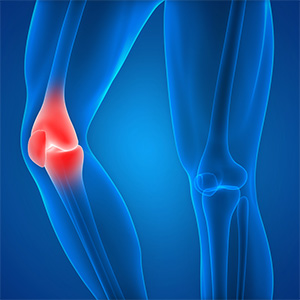
What are the Common Symptoms of a Knee Injury?
Pain, swelling, and stiffness are the common symptoms of any damage or injury to the knee. If care is not taken during the initial phases of injury, it may lead to joint damage, which may end up destroying your knee.
What are the Causes of Knee Injury?
The common causes of knee injury include:
- Fracture of the femur (thighbone), tibia and fibula (leg bones)
- Torn ligament (either anterior or posterior cruciate ligament)
- Rupture of blood vessels following a trauma that leads to the accumulation of extra fluid or blood in the joint
- Dislocation of the kneecap (patella)
- Torn quadriceps or hamstring muscles
- Patellar tendon tear
How is Knee Injury Diagnosed?
If the pain and swelling are rapid, then immediate diagnosis and appropriate medical treatment are advised. Initial diagnosis includes physical and joint examination followed by an X-ray.
What Does Treatment for Knee Injury Involve?
Immediately following a knee injury and before being evaluated by a medical doctor, you should initiate the R.I.C.E. method of treatment.
- Rest: Rest your knee, as more damage could result from putting pressure on the injury.
- Ice: Ice packs applied to the injury will help reduce swelling and pain. Ice should be applied over a towel to the affected area for 15-20 minutes, four times a day for several days. Never place ice directly over the skin.
- Compression: Wrapping the knee with an elastic bandage or compression stocking can help minimize the swelling and support your knee.
- Elevation: Elevating the knee above heart level will also help reduce swelling and pain.
Acute or mild knee injuries do not require knee surgery. It can be treated with anti-inflammatory drugs. It is necessary to drain out accumulated extra joint fluid through a syringe or needle. If pain persists for a long time or appears at night or while at rest, it is important to visit your doctor.
Taping, massage, mobilization, stretching and strengthening exercises as well as exercises to improve your balance and agility are other treatment options that may be recommended.
In some cases, if the pain is intolerable, your doctor may recommend a cortisone injection. However, it is a good practice to avoid the use of cortisone, as it weakens and softens your cartilage, thereby leading to arthritis of the knee. More severe cases are treated by surgery followed by a period of rehabilitation to strengthen the knee.
Why Choose Dr. Blake Ohlson for Knee Injury Treatment in Mount Pleasant, SC?
Choosing the right orthopedic specialist after a knee injury can significantly impact your recovery. Dr. Blake Ohlson combines extensive orthopedic expertise with a patient-centered approach, ensuring every treatment plan is tailored to your specific injury, activity level, and long-term goals.
Patients throughout Mount Pleasant choose Dr. Ohlson because he offers:
- Board-certified orthopedic surgery expertise
- Comprehensive evaluation using advanced diagnostic imaging
- Treatment for sports injuries, traumatic injuries, and overuse conditions
- Personalized non-surgical treatment plans whenever appropriate
- Expertise in minimally invasive arthroscopic knee surgery
- Regenerative medicine options for select knee injuries
- Customized rehabilitation plans focused on restoring strength and stability
- Convenient care for patients throughout Mount Pleasant, Charleston, Summerville, and the surrounding South Carolina Lowcountry
Dr. Ohlson's goal is not only to treat the injury but also to help patients regain confidence, reduce the risk of future injuries, and return safely to work, sports, and everyday life.
Knee Injury FAQs
How do I know if my knee injury is serious?
You should seek evaluation if you experience significant swelling, inability to bear weight, instability, a popping sensation at the time of injury, severe pain, or difficulty fully bending or straightening your knee. Prompt diagnosis helps prevent additional damage.
Should I see an orthopedic specialist immediately after a knee injury?
Many acute knee injuries benefit from early orthopedic evaluation, particularly if symptoms are severe or involve instability, locking, or inability to walk normally. Early treatment often leads to better outcomes.
Will every knee injury require surgery?
No. Many knee injuries improve with rest, physical therapy, medications, bracing, activity modification, or regenerative medicine treatments. Surgery is typically recommended only when conservative treatment is unlikely to restore stability or function.
What imaging tests are used to diagnose a knee injury?
Depending on your symptoms, Dr. Ohlson may recommend X-rays to evaluate fractures or alignment, MRI to assess ligaments, cartilage, tendons, and menisci, or other imaging studies when appropriate.
How long does recovery take after a knee injury?
Recovery varies depending on the type and severity of the injury. Minor sprains may improve within a few weeks, while ligament tears or fractures may require several months of rehabilitation. Dr. Ohlson will develop an individualized recovery plan based on your diagnosis.
Can regenerative medicine help treat knee injuries?
Certain soft tissue injuries and early joint conditions may benefit from regenerative medicine treatments when clinically appropriate. During your consultation, Dr. Ohlson will determine whether these therapies may be suitable for your condition.
Schedule a Knee Injury Evaluation in Mount Pleasant, SC
If you've experienced a knee injury, don't wait for pain or instability to worsen. Early evaluation can help identify the source of your symptoms and create a treatment plan that supports a safe, lasting recovery.
Schedule your appointment with Dr. Ohlson in Mount Pleasant, SC, to receive expert orthopedic care for knee injuries. Serving patients throughout Mount Pleasant, Charleston, Summerville, and surrounding South Carolina communities, Dr. Ohlson offers comprehensive treatment options designed to relieve pain, restore function, and help you return to an active lifestyle.