
Knee Sprain Treatment in Mount Pleasant, SC
A knee sprain can occur during sports, exercise, work, or even everyday activities when the ligaments that stabilize the knee are stretched or torn. Depending on the severity of the injury, symptoms may include pain, swelling, bruising, instability, and difficulty walking or bending the knee. Prompt evaluation is important to determine whether the injury involves a mild ligament sprain or a more significant tear requiring specialized treatment.
Blake Ohlson, M.D. provides comprehensive diagnosis and treatment for knee sprains in Mount Pleasant, SC. As a board-certified orthopedic surgeon and regenerative medicine specialist, he develops individualized treatment plans focused on reducing pain, restoring stability, and helping patients safely return to their normal activities. Whether your injury is sports-related or caused by an accident or fall, Dr. Ohlson offers both non-surgical and surgical treatment options tailored to your recovery goals.
What is a Knee Sprain?
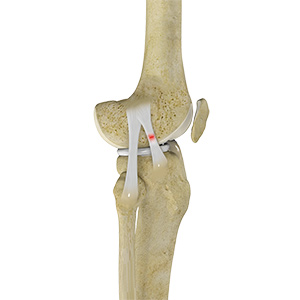
Knee sprain is a common injury that occurs from overstretching of the ligaments that support the knee joint. A knee sprain occurs when the knee ligaments are twisted or turned beyond its normal range, causing the ligaments to tear.
What are the Causes of a Knee Sprain?
Some of the common causes of a knee sprain include forceful twisting of the knee, suddenly stopping while running, direct blow to the knee, and a fall that results in landing on your knees. The factors that increase the risk of knee sprain include participation in sports activities such as skiing, poor coordination, poor balance, and inadequate flexibility and strength in your muscles and ligaments.
What are the Symptoms of a Knee Sprain?
The most common symptoms include pain, swelling, bruising, warmth and redness of the skin, and restricted movements. Pain will occur soon after injury and may increase upon moving the knee.
How is a Knee Sprain Diagnosed?
Your doctor will evaluate your condition with a physical examination and medical history review. Diagnostic tests such as X-ray and MRI scans may be ordered to confirm the condition.
What is the Treatment for a Knee Sprain?
Immediately following a knee injury and before being evaluated by your doctor, you should initiate the R.I.C.E. method of treatment.
- Rest: You must ensure that you get rest, as more damage could result from putting pressure on the injured area.
- Ice: Ice packs should be applied over the injury to decrease swelling and pain. Ice should never be placed on the skin directly, instead, it should be applied over a towel on the affected area for 15-20 minutes, four times a day for several days.
- Compression: Wrap your knee with an elastic bandage or compress it with the help of stockings to minimize the swelling and offer support.
- Elevation: Elevate your knee above heart level to decrease swelling and pain.
After the RICE treatment, your doctor may suggest that you wear a sling, cast or brace to immobilize the knee joint and prevent it from further movement until complete healing. Non-steroidal anti-inflammatory drugs are prescribed to decrease pain and swelling. Physical therapy includes range of motion exercises such as strengthening and stretching exercises, which help to regain the normal functioning of the knee.
How Can Knee Sprain Be Prevented?
There are a few preventive measures to reduce your risk of a knee sprain.
- Ensure that you warm up or stretch before starting any physical activity or sports.
- Ensure that you follow the proper technique for sports and exercises to decrease stress on your muscles, ligaments, and tendons.
- Make sure that you wear proper protective equipment during sports activities.
- Take a break from sports when you get tired.
Why Choose Dr. Blake Ohlson for Knee Sprain Treatment in Mount Pleasant, SC?
Recovering from a knee sprain requires an accurate diagnosis to determine the extent of ligament damage and the most effective treatment plan. Dr. Blake Ohlson combines orthopedic expertise with personalized patient care to help individuals recover as safely and efficiently as possible.
Patients throughout Mount Pleasant choose Dr. Ohlson because he offers:
- Board-certified orthopedic surgery expertise
- Thorough evaluation of knee ligament injuries using advanced imaging when needed
- Personalized treatment plans based on the severity of the sprain and activity level
- Conservative care options including bracing, rehabilitation, and physical therapy
- Expertise in minimally invasive knee surgery for more significant ligament injuries
- Regenerative medicine treatments for appropriate patients
- Comprehensive rehabilitation programs to restore strength, balance, and stability
- Convenient care for patients throughout Mount Pleasant, Charleston, Summerville, and surrounding South Carolina communities
Dr. Ohlson's goal is to help patients recover fully while reducing the risk of chronic instability and future knee injuries.
Knee Sprain FAQs
How do I know if I have a knee sprain or a torn ligament?
A mild sprain typically causes pain and swelling but allows some stability. A complete ligament tear often results in significant instability, difficulty bearing weight, a popping sensation at the time of injury, or the feeling that the knee is giving out. A physical examination and imaging studies help determine the severity.
Should I see an orthopedic specialist for a knee sprain?
If your pain is severe, swelling develops quickly, you cannot bear weight, or your knee feels unstable, you should seek prompt orthopedic evaluation. Early diagnosis helps guide appropriate treatment and recovery.
Will I need surgery for a knee sprain?
Most knee sprains heal successfully with non-surgical treatment, including rest, bracing, physical therapy, and activity modification. Surgery is generally reserved for severe ligament tears or injuries that result in persistent instability.
How long does it take to recover from a knee sprain?
Recovery depends on the severity of the injury. Mild sprains may heal within a few weeks, while moderate or severe ligament injuries can require several weeks to several months of rehabilitation. Dr. Ohlson will provide a personalized recovery timeline based on your diagnosis.
What imaging tests are used to diagnose a knee sprain?
X-rays may be used to rule out fractures, while MRI is often the preferred imaging study for evaluating ligament injuries and other soft tissue damage within the knee.
Can physical therapy help after a knee sprain?
Yes. Physical therapy plays a critical role in restoring range of motion, rebuilding strength, improving balance, and helping prevent recurrent injuries after a knee sprain.
Schedule a Knee Sprain Evaluation in Mount Pleasant, SC
If you've injured your knee and are experiencing pain, swelling, or instability, don't wait to seek care. Early evaluation and treatment can help promote healing, restore function, and reduce the risk of long-term knee problems.
Schedule your appointment with Dr. Ohlson in Mount Pleasant, SC, for expert diagnosis and treatment of knee sprains. Proudly serving patients throughout Mount Pleasant, Charleston, Summerville, and the surrounding South Carolina Lowcountry, Dr. Ohlson provides personalized orthopedic care to help you return to an active, pain-free lifestyle.