
Knee Ligament Injury Treatment in Mount Pleasant, SC
Knee ligament injuries can occur suddenly during sports, exercise, or accidents, causing pain, swelling, instability, and difficulty walking. Whether you've injured your ACL, MCL, PCL, or another ligament, an accurate diagnosis is essential to determine the severity of the injury and develop the most effective treatment plan.
Blake Ohlson, M.D. provides comprehensive evaluation and treatment for knee ligament injuries in Mount Pleasant, SC, caring for athletes and active individuals as well as patients with everyday knee injuries. Treatment is personalized based on the specific ligament involved, the degree of instability, and your activity goals, and may include physical therapy, bracing, regenerative medicine therapies when appropriate, or advanced minimally invasive ligament reconstruction.
Serving patients throughout Mount Pleasant, Charleston, Summerville, and surrounding South Carolina communities, Dr. Ohlson is dedicated to restoring knee stability, reducing pain, and helping patients safely return to work, sports, and daily life.
What is a Knee Joint Comprised Of?
The knee is a complex joint that consists of bone, cartilage, ligaments, and tendons that help in your joint’s movements.
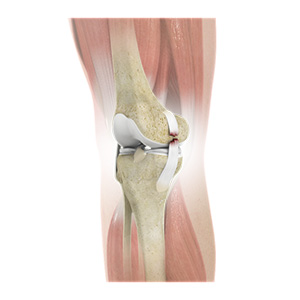
The knee is a hinge joint made up of two bones, the thighbone (femur) and shinbone (tibia). Ligaments are tough bands of tissue that connect one bone to another bone. The ligaments of the knee stabilize the knee joint. There are two important groups of ligaments that hold the bones of the knee joint together, collateral and cruciate ligaments - medial collateral ligament (MCL) and lateral collateral ligament (LCL), and anterior cruciate ligament (ACL) and posterior cruciate ligament (PCL).
What are Knee Injuries?
Knee problems may arise if any of these structures get injured by overuse or suddenly during sports activities. Pain, swelling, and stiffness are the common symptoms of any damage or injury to the knee. The common causes of knee injury include:
- Fracture of the femur (thighbone) or tibia and fibula (leg bones)
- Torn ligament: either anterior or posterior cruciate ligament (ACL or PCL)
- Rupture of blood vessels following a trauma that leads to the accumulation of extra fluid or blood in the joint
- Dislocation of the kneecap (patella)
- Torn quadriceps or hamstring muscles
- Patellar tendon tear
What are the Types of Ligament Injuries?
The most common types of ligament injuries include:
ACL tear
An ACL injury is a sports-related injury that occurs when the knee is forcefully twisted or hyperextended. An ACL tear usually occurs with an abrupt directional change with the foot fixed on the ground or when the deceleration force crosses the knee. Changing direction rapidly, stopping suddenly, slowing down while running, landing from a jump incorrectly, and direct contact or collision, such as a football tackle, can also cause injury to the ACL.
MCL tear
The MCL is the ligament that is located on the inner part of the knee joint. It runs from the femur (thighbone) to the top of the tibia (shinbone) and helps in stabilizing the knee. MCL injuries can result in a stretch, partial tear or complete tear of the ligament. Injuries to the MCL commonly occur because of pressure or stress on the outside section of the knee.
PCL tear
PCL injuries are very rare and are more difficult to detect when compared to the other knee ligament injuries. Cartilage injuries, bone bruises, and ligament injuries often occur in combination with PCL injuries.
Injuries to the PCL can be graded as I, II or III depending on the severity of the injury. In grade I, the ligament is mildly damaged and slightly stretched, but the knee joint is stable. In grade II, there is a partial tear of the ligament. In grade III, there is a complete tear of the ligament and the ligament is divided into two halves, making the joint unstable.
The PCL is usually injured by a direct impact, such as in an automobile accident when the bent knee forcefully strikes the dashboard. In sports, it can occur when you fall to the ground with a bent knee. Twisting injury or overextending the knee can cause the PCL to tear.
How are Ligament Injuries Treated?
Immediately following a knee injury, before being evaluated by a doctor, you can initiate the R.I.C.E. method of treatment:
Rest: Rest the knee, as more damage could result from pressure on the injury.
Ice: Ice packs can be applied to the injured area to reduce swelling and pain. Never place ice directly over the skin. Ice should be wrapped in a towel and applied to the affected area for 15-20 minutes, four times a day for several days.
Compression: Wrapping the knee with an elastic bandage or compression stocking can help minimize the swelling and support your knee.
Elevation: Elevating the knee above the heart level will also help reduce swelling and pain.
It is important to seek your doctor’s advice if you hear a popping noise or feel as if your knee has given way at the time of injury and if you are unable to move your knee because of severe pain.
Why Choose Dr. Blake Ohlson for Knee Ligament Injury Treatment in Mount Pleasant, SC?
Successful treatment of a knee ligament injury begins with an accurate diagnosis and an individualized treatment plan. Whether your injury can be managed conservatively or requires surgery, Dr. Blake Ohlson provides comprehensive orthopedic care tailored to your specific needs.
Patients throughout Mount Pleasant choose Dr. Ohlson because he offers:
- Board-certified orthopedic expertise in diagnosing and treating ligament injuries of the knee
- Comprehensive evaluation of ACL, MCL, PCL, LCL, and combined ligament injuries
- Advanced diagnostic imaging to accurately assess knee stability and associated damage
- Personalized treatment plans based on injury severity, activity level, and recovery goals
- Conservative treatment options including bracing, physical therapy, and rehabilitation whenever appropriate
- Advanced minimally invasive surgical techniques for patients requiring ligament reconstruction
- Expertise in regenerative medicine and biologic therapies as part of comprehensive orthopedic care for appropriate candidates
Dr. Ohlson focuses on restoring knee function, improving stability, and helping patients return to the activities they enjoy as safely and efficiently as possible.
Knee Ligament Injury FAQs
What are the major ligaments of the knee?
The four primary ligaments that stabilize the knee are:
- Anterior cruciate ligament (ACL)
- Posterior cruciate ligament (PCL)
- Medial collateral ligament (MCL)
- Lateral collateral ligament (LCL)
Each ligament plays an important role in maintaining normal knee movement and stability.
What causes knee ligament injuries?
Common causes include:
- Sports involving cutting or pivoting movements
- Sudden twisting injuries
- Falls
- Direct impact to the knee
- Motor vehicle accidents
- Hyperextension injuries
What are the symptoms of a knee ligament injury?
Symptoms often include:
- A popping sensation at the time of injury
- Swelling
- Knee pain
- Instability or the feeling that the knee is "giving out"
- Difficulty walking
- Limited range of motion
How are knee ligament injuries diagnosed?
Diagnosis typically includes a physical examination, medical history, and imaging studies such as X-rays and MRI. These tests help determine which ligament has been injured and whether additional damage to cartilage, bone, or the meniscus is present.
Can knee ligament injuries heal without surgery?
Many MCL injuries and some partial ACL or PCL tears can be successfully treated with physical therapy, bracing, activity modification, and rehabilitation. More severe ligament tears or injuries causing significant instability may require surgical reconstruction.
What should I do immediately after a knee injury?
The RICE method is recommended immediately following many acute knee injuries:
- Rest the injured knee
- Apply ice for 15–20 minutes several times daily
- Use compression to help reduce swelling
- Elevate the leg above heart level when possible
You should seek prompt medical evaluation if you hear a pop, experience significant swelling, or cannot bear weight.
How long does recovery take?
Recovery depends on the specific ligament injured, the severity of the tear, and whether surgery is required. Mild sprains may recover within weeks, while complete ligament reconstruction often requires several months of rehabilitation.
When should I see an orthopedic specialist?
You should schedule an evaluation if your knee feels unstable, swells significantly after an injury, you hear a popping sound, experience severe pain, or have difficulty walking or participating in normal activities.
Schedule a Knee Ligament Injury Evaluation in Mount Pleasant, SC
A knee ligament injury can affect your mobility, athletic performance, and long-term joint health if not properly treated. Early diagnosis and individualized care can help restore knee stability and reduce the risk of future complications.
Schedule your appointment with Dr. Ohlson in Mount Pleasant, SC for a comprehensive evaluation of your knee injury. Proudly serving patients throughout Mount Pleasant, Charleston, Summerville, and surrounding South Carolina communities, Dr. Ohlson provides advanced orthopedic care designed to relieve pain, restore stability, and help you return confidently to the activities you enjoy.