
Knee Fracture Surgery Specialist in Mount Pleasant, SC
A knee fracture can be a painful and serious injury that affects your ability to walk, work, and participate in everyday activities. Whether caused by a fall, sports injury, or motor vehicle accident, fractures involving the kneecap (patella), femur, or tibia often require specialized orthopedic evaluation to restore joint stability and function. Blake Ohlson, M.D. provides comprehensive knee fracture care in Mount Pleasant, SC, offering advanced diagnostic evaluation and personalized surgical treatment plans designed to help patients recover safely and return to an active lifestyle.
Using modern surgical techniques, including fracture fixation, minimally invasive arthroscopy, osteotomy, and partial or total knee replacement when appropriate, Dr. Ohlson develops individualized treatment plans based on the location, severity, and complexity of each fracture. Every patient receives compassionate care focused on reducing pain, restoring mobility, and promoting long-term joint health.
What is Knee Fracture Surgery?
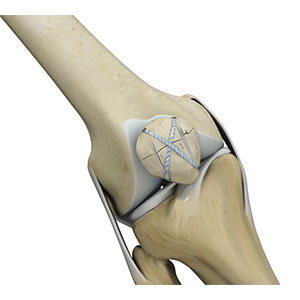
A knee fracture is a broken bone or a crack in or around the joint of the knee. This can involve the tibia (shin bone), the kneecap (patella), or femur (thighbone) where they connect with the knee.
Knee fracture surgery is a surgical procedure performed to correct the cracked or broken bones in or around the knee to restore normal anatomical function, stability, and motion.
What are the Causes of Knee Fractures?
Most knee fractures are caused by a direct hit to the knee. Other common causes of knee fractures include falls, car accidents, sports activities, or even severe muscle contractions in rare cases.
What are the Symptoms of Knee Fractures?
Some of the common symptoms of knee fractures include:
- Extreme pain
- Swelling
- Bruising
- Tenderness
- Unable to bend or straighten the knee
- Muscle spasms
- Crackling or popping sound on movement
- Unable to walk
What are the Indications for Knee Fracture Surgery?
Conservative measures such as casting or bracing can be used for knee fractures that are not displaced but severe fractures that are displaced will require surgery to repair the fracture with hardware such as screws and plates to ensure proper healing of the bones.
How is Knee Fracture Diagnosed?
To make an accurate diagnosis and recommend suitable treatment, your doctor will undertake the following measures:
- Review your signs and symptoms, medical history, and how the injury was sustained
- Physical examination to assess the range of motion, amount of swelling, disfigurement, and severity of pain
- Order certain diagnostic tests such as X-ray, CT scan, MRI scan, or bone scan
What Does Surgical Treatment for Knee Fractures Involve?
Some of the common surgeries employed for treatment of a knee fracture include:
- Open Reduction and Internal Fixation of Patellar Fracture (broken kneecap): In this procedure, your surgeon will make a cut over the kneecap to look at the broken bone. Your surgeon will reassemble the pieces of the patella and fix them together with the use of screws or metal wires. This will help keep the bone in place while they heal and grow back together. Your surgeon will then close the cuts with staples or stitches.
- Osteotomy: This surgery is recommended if the damage sustained by the knee is limited to one section. During an osteotomy, your surgeon will reshape and reposition the bone to take the weight off the damaged part of the knee. Osteotomy is also performed to correct a broken knee that has not healed correctly.
- Total Joint Replacement: The knee is the most commonly replaced joint. In this procedure, both sides of your knee joint are replaced. The damaged or injured knee joints are detached and restored with a prosthesis on both sides restoring your knee alignment and function. Knee replacement is an option when irreparable joint damage intervenes with function and causes constant pain.
- Partial Knee Replacement: This surgery involves a small incision being made and only the damaged or worn-out section of the knee being removed and replaced with a prosthesis, leaving the healthy section of the knee untouched. This type of surgery is recommended when the cartilage loss is limited to a small portion of the knee joint.
- Arthroscopy: This is a minimally invasive knee surgery carried out by a flexible fiber-optic tube that contains a small lens or camera and a lighting system to magnify and illuminate structures inside a joint. The camera attached to the arthroscope shows the picture of the joint on a television screen allowing the surgeon to examine and correct the damaged area. Arthroscopy can be used to:
- Repair or remove a torn meniscus
- Remove inflamed synovial tissue
- Remove loose fragments or cartilage or bone
- Treat knee sepsis
- Trim damaged articular cartilage
- Treat kneecap problems
- Reconstruct torn ligaments
- Anterior Cruciate Ligament (ACL) Reconstruction: ACL tears are very common and are treated by restoring the torn ligament of the knee with a graft made of another tendon or ligament such as hamstring tendon, quadriceps tendon, or patellar tendon. This aids in stabilizing the knee and providing it with full range of motion.
How Does Postoperative Care for Knee Fracture Surgery Involve?
Instructions as part of postoperative care would include:
- Use of medications and ice for pain relief
- Elevating the affected knee above chest position to reduce swelling
- Use of assistive devices such as crutches or wheelchair
- Getting up out of bed and walking while in crutches as mobility aids in faster healing
- Physical therapy to regain range of motion and muscle strength
- Specific instructions on care of the surgical site
- Adhering to follow-up appointments to monitor the healing process
What are the Risks and Complications of Knee Fracture Surgery?
As with any surgery, some of the potential risks and complications of knee fracture surgery may include:
- Bleeding
- Infection
- Anesthetic reactions such as fever, nausea, or allergic reaction
- Blood clots or deep venous thrombosis
- Damage to nerves and blood vessels
- Stiffness or instability of the joint
- Failure to heal properly
- Need for repeat surgery
Why Choose Dr. Blake Ohlson for Knee Fracture Surgery in Mount Pleasant, SC?
Choosing the right orthopedic surgeon after a knee fracture is essential for achieving proper bone healing, restoring knee function, and minimizing long-term complications. Dr. Blake Ohlson combines advanced orthopedic expertise with patient-centered care to deliver comprehensive treatment for simple and complex knee fractures.
Patients throughout Mount Pleasant, Charleston, Summerville, and surrounding South Carolina communities trust Dr. Ohlson because he offers:
- Comprehensive evaluation using advanced imaging and clinical assessment
- Personalized treatment plans based on fracture type, severity, lifestyle, and recovery goals
- Expertise in modern fracture fixation techniques using plates, screws, and minimally invasive procedures when appropriate
- Advanced surgical options including arthroscopy, osteotomy, ligament reconstruction, and knee replacement for complex injuries
- Emphasis on restoring knee stability, strength, and long-term function
- Coordinated postoperative rehabilitation to maximize recovery and mobility
- Compassionate, individualized care from consultation through rehabilitation
Dr. Ohlson's goal is to help every patient recover with the strongest possible outcome while minimizing pain, restoring movement, and helping prevent future complications.
Knee Fracture Surgery FAQs
What types of knee fractures require surgery?
Surgery is often recommended for displaced fractures, unstable fractures, fractures involving the joint surface, multiple fracture fragments, or injuries that cannot heal properly with casting or bracing alone.
How soon should knee fracture surgery be performed?
The timing depends on the type of fracture, swelling, soft tissue condition, and overall health. Some fractures require urgent surgery, while others may be scheduled after swelling decreases.
How long does recovery take after knee fracture surgery?
Recovery varies depending on the severity of the fracture and the procedure performed. Bone healing generally takes several months, while full recovery with rehabilitation may take anywhere from three months to a year.
Will I need physical therapy?
Yes. Physical therapy plays a vital role in restoring knee strength, flexibility, balance, and range of motion after surgery.
Will I need crutches after surgery?
Most patients use crutches, a walker, or other assistive devices for several weeks while the fracture heals and weight-bearing restrictions are gradually lifted.
Can I return to sports or physical activities?
Many patients are able to return to recreational activities after complete healing and rehabilitation. The timeline depends on the complexity of the fracture and your individual recovery.
What happens if a knee fracture is left untreated?
Untreated fractures can heal improperly, leading to chronic pain, instability, stiffness, arthritis, deformity, and decreased function. Early evaluation helps reduce the risk of long-term complications.
Does every knee fracture require a knee replacement?
No. Most knee fractures are treated with fracture fixation or other reconstructive procedures. Knee replacement is generally reserved for severe joint damage or fractures that cannot be successfully repaired.
Schedule a Knee Fracture Consultation in Mount Pleasant, SC
If you've suffered a knee fracture, prompt evaluation and expert orthopedic care can make a significant difference in your recovery. Dr. Blake Ohlson provides comprehensive diagnosis, advanced surgical treatment, and personalized rehabilitation plans to help patients regain mobility and return to their daily activities with confidence.
Contact our office today to schedule your knee surgery consultation in Mount Pleasant, SC, and learn about the treatment options that are right for you.