
Unstable Knee Treatment in Mount Pleasant, SC
If your knee feels like it may buckle, give way, or cannot fully support your weight, you may be experiencing knee instability. An unstable knee often develops after ligament injuries, meniscus tears, sports trauma, or degenerative joint conditions and can interfere with walking, exercising, and daily activities. Blake Ohlson, M.D. is a board-certified, fellowship-trained orthopedic surgeon and regenerative medicine specialist providing expert evaluation and treatment for unstable knees in Mount Pleasant, SC. He offers comprehensive care to identify the underlying cause of instability and develop a personalized treatment plan to restore knee function and confidence in movement.
Whether your symptoms are the result of a recent injury or a chronic condition, Dr. Ohlson utilizes advanced diagnostic imaging and evidence-based treatment options, including physical therapy, regenerative medicine, minimally invasive arthroscopic procedures, and reconstructive surgery when appropriate.
What is an Unstable Knee?
The knee joint is one of the largest joints in the body. This highly complex joint has several tissues supporting and stabilizing its movement:
- Condyles and menisci: Bony protrusions of the thighbone called condyles fit snugly into the depressions of the lateral and medial menisci (spongy cartilage) of the shinbone.
- Ligaments: These are bands of tissue crisscross across the joint bones, connecting and holding them in place.
- Capsules: These are tissue that connects the bones of the knee, by forming a sleeve over the joint.
- Muscles: They provide secondary stability.
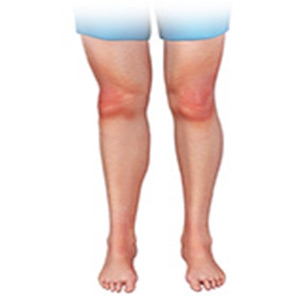
What are the Causes of an Unstable Knee?
Damage to any of these supportive structures causes instability of the knee joint. An unstable knee can be caused by the sudden twisting of the knee, tears of the meniscus, ligament or capsule, osteoarthritis of the knee (wear and tear of the cushioning cartilage tissue between the bones) and sports injuries. When these tissues get injured, the patella or kneecap can move out of its groove in the knee joint and lead to instability.
What are the Symptoms of an Unstable Knee?
An unstable knee causes pain, swelling, stiffness and a tendency of the joint to buckle or give way.
How is Unstable Knee Diagnosed?
When you present with these symptoms, your doctor diagnoses knee instability by performing a thorough physical examination to test the stability of each ligament and may order imaging tests such as X-rays, MRI or CT scans to confirm the diagnosis.
What is the Treatment for an Unstable Knee?
Treatment depends on the cause and severity of the condition. Initially, your surgeon may recommend conservative treatments such as rest, ice application, compression and elevation of your leg (R.I.C.E.), physical therapy and use of braces. Pain relieving medications may be prescribed for symptomatic relief.
However, when these conservative treatments yield an unsatisfactory response, surgical correction may be recommended. Considering the type and severity of an injury, your surgeon decides on the surgical repair or reconstruction of the joint by replacing the damaged parts with a prosthesis.
Why Choose Dr. Blake Ohlson for Unstable Knee Treatment in Mount Pleasant, SC?
Knee instability can significantly affect your mobility and increase the risk of falls or additional injury. Dr. Blake Ohlson provides comprehensive orthopedic care focused on restoring stability, relieving pain, and helping patients safely return to their normal activities.
Patients throughout Mount Pleasant choose Dr. Ohlson because he offers:
- Board-certified, fellowship-trained orthopedic expertise
- Extensive experience treating ligament injuries, meniscus tears, and sports-related knee conditions
- Comprehensive evaluation to determine the exact cause of knee instability
- Advanced imaging and diagnostic techniques for accurate diagnosis
- Personalized treatment plans tailored to your activity level and goals
- Expertise in minimally invasive arthroscopic knee surgery
- Advanced ligament reconstruction techniques when indicated
- Regenerative medicine options for appropriate patients
- Comprehensive rehabilitation programs focused on long-term knee stability
- Convenient orthopedic care serving Mount Pleasant and the surrounding Lowcountry
Dr. Ohlson works closely with each patient to develop a treatment strategy that restores knee stability while minimizing downtime and supporting long-term joint health.
Unstable Knee FAQs
What does it mean to have an unstable knee?
An unstable knee is a condition in which the knee feels loose, weak, or unable to properly support your body weight. Many patients describe the sensation as the knee "giving way" or buckling during walking, pivoting, or climbing stairs.
What causes knee instability?
Common causes include ACL, PCL, MCL, or LCL ligament tears, meniscus injuries, kneecap instability, osteoarthritis, cartilage damage, and previous knee trauma.
What are the symptoms of an unstable knee?
Symptoms often include:
- Knee buckling or giving way
- Pain
- Swelling
- Stiffness
- Difficulty walking or pivoting
- Reduced confidence during physical activity
How is knee instability diagnosed?
Diagnosis involves a detailed medical history, physical examination, and specialized ligament stability tests. Imaging studies such as X-rays, MRI, or CT scans may be used to identify ligament tears, cartilage injuries, or other structural problems.
Can an unstable knee improve without surgery?
Yes. Many patients respond well to conservative treatment, including physical therapy, bracing, activity modification, anti-inflammatory medications, and strengthening exercises that improve joint stability.
When is surgery recommended?
Surgery may be recommended for patients with significant ligament tears, recurrent kneecap dislocations, severe meniscus injuries, chronic instability, or when non-surgical treatment fails to relieve symptoms.
Can I return to sports after treatment?
Many patients successfully return to recreational activities and competitive sports following appropriate treatment and rehabilitation. Recovery timelines depend on the specific injury and treatment performed.
Schedule an Unstable Knee Evaluation in Mount Pleasant, SC
If your knee frequently buckles, feels unstable, or limits your ability to stay active, don't ignore the symptoms. Early diagnosis and treatment can help prevent additional joint damage and improve your long-term outcome.
Dr. Blake Ohlson provides comprehensive evaluation and treatment for unstable knees, ligament injuries, meniscus tears, sports injuries, and degenerative knee conditions for patients throughout Mount Pleasant, Charleston, Summerville, and surrounding South Carolina communities. Whether your condition can be treated conservatively or requires advanced orthopedic surgery, you'll receive an individualized treatment plan focused on restoring stability, relieving pain, and helping you return to an active lifestyle.
Schedule your appointment today to receive expert unstable knee treatment in Mount Pleasant, SC.