
PRP Injections for Knee Pain in Mount Pleasant, SC
Persistent knee pain can make it difficult to stay active, whether it is caused by arthritis, a sports injury, or chronic tendon damage. If conservative treatments have not provided lasting relief, Platelet-Rich Plasma (PRP) injections may be a minimally invasive option to support your body's natural healing response. Blake Ohlson, M.D. is a fellowship-trained orthopedic and regenerative medicine specialist offering PRP injections for the knee in Mount Pleasant, SC, helping patients reduce pain, improve function, and return to the activities they enjoy.
Using advanced diagnostic evaluation and evidence-based regenerative medicine techniques, Dr. Ohlson develops personalized treatment plans for knee conditions affecting athletes and active individuals of all ages. PRP therapy uses concentrated platelets from your own blood to promote tissue healing and may be recommended for selected patients with osteoarthritis, tendon injuries, ligament injuries, meniscus injuries, and other musculoskeletal conditions.
What are Platelet-Rich Plasma (PRP) Injections for the Knee?
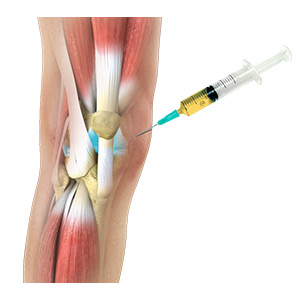
Platelet-rich plasma (PRP) injections for the knee are a minimally invasive treatment designed to reduce pain, improve joint function, and potentially promote healing in knee injuries or degenerative conditions. This therapy uses the patient’s own blood, which is processed to concentrate platelets, growth factors, and other proteins that aid in tissue repair and regeneration.
What are the Indications for Platelet-Rich Plasma (PRP) Injections for the Knee?
Platelet-rich plasma injections for the knee may be indicated to treat various knee conditions, such as:
- Osteoarthritis: Helps reduce inflammation, slow cartilage degeneration, and alleviate pain in mild to moderate knee osteoarthritis.
- Meniscus Tears: Aids in tissue healing in small, stable tears in the avascular zone of the meniscus where healing potential is limited.
- Tendonitis or Ligament Injuries: Promotes repair of damaged tendons or ligaments in conditions like patellar tendinitis (Jumper’s Knee) and partial tears of the anterior cruciate ligament (ACL) or medial collateral ligament (MCL).
- Post-Surgical Healing: Enhances recovery after surgeries like ACL reconstruction or meniscus repair.
What is the Procedure for Platelet-Rich Plasma (PRP) Injections of the Knee?
The procedure for platelet-rich plasma injections of the knee is typically performed as an outpatient treatment and involves the following steps:
- A small amount (15-50 mL) of the patient’s blood is drawn from a vein, usually in the arm.
- The blood is placed in a centrifuge to separate its components (red blood cells, plasma, and platelets).
- The platelet-rich plasma layer is isolated and prepared for injection.
- The skin around the knee is cleaned and sterilized to minimize the risk of infection.
- Numbing medication may be applied or injected to reduce discomfort.
- Ultrasound guidance is often used to ensure accurate placement of the PRP into the target area (e.g., joint space, tendon, or ligament).
- The PRP is injected into the knee using a sterile syringe and needle.
What Does Postoperative Care for Platelet-Rich Plasma (PRP) Injections of the Knee Involve?
After a platelet-rich plasma injection for the knee, the patient is observed briefly for any immediate adverse reactions. The patients are typically advised to rest and avoid strenuous activities for 24-48 hours to allow the treatment to take effect. Mild swelling, discomfort, or stiffness in the knee may occur and can be managed with over-the-counter pain relievers. Applying ice to the area can also help reduce swelling. Patients are encouraged to gradually resume normal activities, with physical therapy often recommended to optimize recovery and joint function. Follow-up appointments may be scheduled to monitor progress, and additional PRP injections might be advised depending on the condition being treated.
What are the Risks and Complications of Platelet-Rich Plasma (PRP) Injections of the Knee?
The risks and complications of platelet-rich plasma injections for the knee are generally low since the treatment uses the patient’s own blood, reducing the risk of allergic reactions or rejection. However, some individuals may experience temporary discomfort, swelling, or mild pain at the injection site. There is also a small risk of infection, bleeding, or tissue damage, particularly if the procedure is not performed under sterile conditions.
Why Choose Dr. Blake Ohlson for PRP Injections for the Knee in Mount Pleasant, SC?
Successful PRP treatment depends on proper diagnosis, careful patient selection, and precise injection techniques. Dr. Blake Ohlson combines fellowship-trained orthopedic expertise with advanced regenerative medicine experience to determine whether PRP injections are an appropriate treatment option for your knee condition.
Patients throughout Mount Pleasant and the surrounding Lowcountry choose Dr. Ohlson because he provides:
- Fellowship-trained expertise in orthopedic and regenerative medicine
- Comprehensive evaluation of knee pain, injuries, and arthritis
- Personalized treatment plans based on your diagnosis, activity level, and recovery goals
- Advanced ultrasound-guided PRP injection techniques for accurate treatment delivery
- Conservative treatment options designed to improve pain and joint function
- Expertise in treating sports injuries, tendon disorders, ligament injuries, and knee osteoarthritis
- Surgical care when regenerative therapies are not the most appropriate solution
- Patient-centered care focused on restoring mobility and helping patients return to active lifestyles
Every patient receives an individualized evaluation to determine whether PRP injections are likely to provide meaningful benefits based on their specific condition.
Platelet-Rich Plasma (PRP) Injections for the Knee FAQs
What are PRP injections for the knee?
PRP injections use concentrated platelets and growth factors prepared from a sample of your own blood. The platelet-rich plasma is injected into the affected area of the knee to support the body's natural healing response and improve pain and function in selected conditions.
What knee conditions can PRP injections treat?
PRP therapy may be considered for mild to moderate knee osteoarthritis, tendon injuries, ligament sprains or partial tears, meniscus injuries, overuse injuries, and to support healing after certain knee surgeries. Treatment recommendations depend on the individual diagnosis.
Are PRP knee injections painful?
Most patients tolerate PRP injections well. Some temporary discomfort during or after the procedure is normal, and mild soreness or swelling may last for a few days before gradually improving.
How long does it take to recover after a PRP knee injection?
Most patients can return home shortly after the procedure. Light activities are generally recommended for the first 24 to 48 hours, followed by a gradual return to normal activity. Physical therapy may be recommended to maximize recovery.
How long does it take to notice results from PRP therapy?
Improvement typically occurs gradually over several weeks to months as the body's healing processes respond to treatment. Results vary depending on the condition being treated and individual patient factors.
Are PRP injections a substitute for knee surgery?
Not always. PRP therapy may help some patients delay or avoid surgery, particularly for certain mild to moderate conditions. However, severe arthritis, complete ligament tears, or advanced structural damage may still require surgical treatment. Dr. Ohlson will recommend the treatment option that best fits your diagnosis and goals.
Schedule a PRP Knee Consultation in Mount Pleasant, SC
If chronic knee pain is limiting your ability to work, exercise, or enjoy daily activities, Platelet-Rich Plasma (PRP) injections may be an option to help support healing and improve function. Dr. Blake Ohlson provides comprehensive evaluation and personalized regenerative medicine treatment for patients seeking PRP injections for the knee in Mount Pleasant, SC.
Contact our office today to schedule your consultation and learn whether PRP therapy for the knee is the right treatment option for your condition.