
Jumper's Knee Treatment in Mount Pleasant, SC
Persistent pain below the kneecap can make it difficult to stay active, perform daily activities, or participate in sports. Jumper's knee, also known as patellar tendinitis, is a common overuse injury that affects athletes involved in jumping, running, and repetitive knee movements. Blake Ohlson, M.D. is a board-certified, fellowship-trained orthopedic surgeon and regenerative medicine specialist providing expert diagnosis and treatment for jumper's knee in Mount Pleasant, SC. He offers comprehensive care designed to relieve pain, promote tendon healing, and help patients safely return to their active lifestyle.
Whether your symptoms developed gradually from repetitive stress or followed a tendon injury, Dr. Ohlson performs a thorough evaluation to determine the severity of the condition and create an individualized treatment plan. Depending on your needs, treatment may include activity modification, physical therapy, advanced non-surgical therapies, regenerative medicine, or surgery for severe tendon damage.
What is Jumper’s Knee?
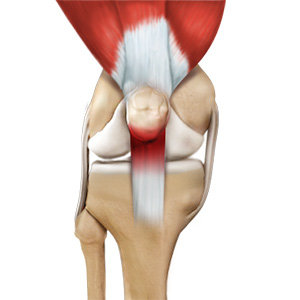
Jumper’s knee, also known as patellar tendinitis, is inflammation of the patellar tendon that connects your kneecap (patella) to your shinbone. This tendon helps in the extension of the lower leg.
What are the Causes of Jumper’s Knee?
Jumper’s knee usually results from repetitive trauma or overuse, particularly from sports activities that involve jumping such as basketball or volleyball. Therefore, this condition is known as jumper’s knee. Rarely, this condition may also occur because of an acute injury to the tendon that has not healed properly.
What are the Symptoms of Jumper’s Knee?
Pain over the patellar tendon is the first symptom of jumper’s knee. You may also have pain during activities, especially jumping or kneeling. Rarely, swelling around the tendon may be seen.
How is Jumper’s Knee Diagnosed?
Your doctor will evaluate your condition based on your symptoms and physical examination. An X-ray of the knee may be ordered to ensure that there is no problem involving the bones or bone spur around the knee. An MRI scan can reveal degenerative changes in the patellar tendon.
What are the Treatment Options for Jumper’s Knee?
Conservative Treatment Options for Jumper’s Knee
- Rest the injured knee and avoid activities such as running and jumping that worsen the condition.
- Non-steroidal anti-inflammatory medications (NSAIDs) may be prescribed to provide relief from pain and swelling associated with patellar tendinitis.
- Stretching before exercising is important to prevent the recurrence of patellar tendinitis. These exercises can also help strengthen the patellar tendon and nearby muscles such as the quadriceps, hamstrings and calf muscles.
- The application of ice to the affected area helps to control the inflammation and reduce the swelling.
- A knee support or strap (called an intrapatellar strap or a Chopat strap) can be worn to relieve pain by directing the force away from your tendon and into the strap.
- Iontophoresis involves the application of topical corticosteroid medication to the affected area with the help of a small device that uses an electric charge to deliver the medication through your skin.
- Corticosteroid injection may be administered directly into the sheath around the affected patellar tendon under the guidance of an ultrasound. This helps to relieve pain and perform strength exercises without any pain.
Surgery for Jumper’s Knee
In rare cases, if there is persistent pain, surgery may be considered when other treatment options fail. Surgery involves the removal of severely damaged parts of your tendon and repair of any tears in the tendon.
Why Choose Dr. Blake Ohlson for Jumper's Knee in Mount Pleasant, SC?
Patellar tendon injuries require specialized care to prevent chronic pain and restore full knee function. Dr. Blake Ohlson combines extensive orthopedic expertise with advanced sports medicine and regenerative treatment options to help patients recover as efficiently as possible.
Patients throughout Mount Pleasant choose Dr. Ohlson because he offers:
- Board-certified, fellowship-trained orthopedic care
- Extensive experience treating sports-related knee injuries
- Comprehensive evaluation using advanced diagnostic imaging
- Personalized treatment plans based on activity level and recovery goals
- Expertise in conservative treatments before considering surgery
- Advanced minimally invasive surgical techniques when indicated
- Regenerative medicine options for appropriate tendon injuries
- Comprehensive rehabilitation focused on long-term recovery and injury prevention
- Convenient orthopedic care serving Mount Pleasant and the surrounding Lowcountry
Dr. Ohlson works closely with athletes, active adults, and recreational exercisers to develop treatment plans that relieve pain, restore strength, and reduce the risk of future tendon injuries.
Jumper's Knee FAQs
What is jumper's knee?
Jumper's knee, also called patellar tendinitis, is an overuse injury involving inflammation or degeneration of the patellar tendon, which connects the kneecap to the shinbone.
Who is most likely to develop jumper's knee?
The condition is most common in athletes who participate in sports involving frequent jumping, sprinting, or rapid changes in direction, such as basketball, volleyball, soccer, and track and field.
What are the early signs of jumper's knee?
Early symptoms typically include pain just below the kneecap during or after activity. As the condition progresses, pain may occur during everyday movements such as climbing stairs, kneeling, or standing from a seated position.
How is jumper's knee diagnosed?
Diagnosis includes a physical examination and review of your symptoms. Imaging studies such as X-rays or MRI may be recommended to evaluate tendon damage and rule out other causes of knee pain.
Can jumper's knee heal without surgery?
Yes. Most cases improve with conservative treatment, including rest, activity modification, physical therapy, anti-inflammatory medications, bracing, and a structured rehabilitation program.
When is surgery recommended?
Surgery is generally reserved for patients with persistent symptoms who have not responded to several months of comprehensive non-surgical treatment or who have significant tendon damage.
How long does recovery take?
Recovery varies depending on the severity of the tendon injury. Mild cases may improve within several weeks, while chronic tendinopathy or surgical recovery may require several months of rehabilitation.
Schedule a Jumper's Knee Evaluation in Mount Pleasant, SC
If persistent pain below your kneecap is limiting your ability to exercise, compete, or enjoy everyday activities, early treatment can help prevent worsening tendon damage and speed your recovery.
Dr. Blake Ohlson provides comprehensive evaluation and treatment for jumper's knee and other sports-related knee conditions for patients throughout Mount Pleasant, Charleston, Summerville, and surrounding South Carolina communities. From conservative therapies and rehabilitation to advanced regenerative medicine and minimally invasive surgery, your care is tailored to your individual goals and activity level.
Schedule your appointment today to receive expert jumper's knee treatment in Mount Pleasant, SC.