
Tendinitis Treatment in Mount Pleasant, SC
Tendinitis is a common orthopedic condition that develops when a tendon becomes inflamed or irritated due to repetitive motion, overuse, improper technique, or injury. Left untreated, tendinitis can lead to chronic pain, reduced joint function, tendon degeneration, or even tendon rupture. Early diagnosis and appropriate treatment can help relieve symptoms and restore normal movement.
Blake Ohlson, M.D. is a fellowship-trained orthopedic and regenerative medicine specialist providing comprehensive tendinitis treatment in Mount Pleasant, SC. He offers personalized care for tendon injuries affecting the shoulder, elbow, wrist, knee, ankle, and other joints using evidence-based conservative therapies, regenerative medicine techniques, and minimally invasive surgical options when necessary. Patients throughout Mount Pleasant, Charleston, Summerville, and surrounding South Carolina communities trust Dr. Ohlson for expert orthopedic care focused on long-term recovery.
What is Tendinitis?
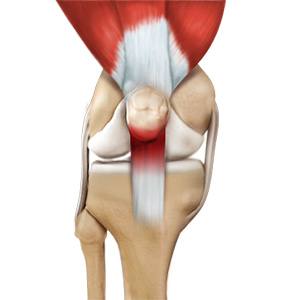
Tendons are fibrous cords that anchor muscles to bones. Tendinitis is a condition in which a tendon becomes inflamed or irritated. Although any tendon can be affected, commonly the tendons around the joints such as the shoulders, elbows, wrists, knees, and ankles are involved.
Common names for tendinitis conditions include:
- Swimmer’s shoulder
- Tennis elbow
- Jumper’s knee
Causes of Tendinitis
Tendinitis is usually the result of repetitive movements that put stress on a tendon. This can occur during work, hobbies or sports. It is more likely to occur if you use an improper technique. Tendinitis may also develop after a sudden injury. With increased age, tendons become less flexible and more prone to injury.
Symptoms of Tendinitis
Symptoms of tendinitis include:
- Pain with movement of a joint
- Swelling
- Tenderness
Complications of Tendinitis
Untreated tendinitis can result in:
- Tendon rupture that usually needs surgery
- Tendinosis (degenerative changes in the tendon)
Diagnosis of Tendinitis
To diagnose tendinitis your doctor will review your symptoms and perform a physical examination. This is usually enough to make a diagnosis but imaging tests such as an X-ray may be ordered to rule out other conditions.
Treatment of Tendinitis
Mild cases of tendinitis may be treated at home by rest, ice application and over-the-counter pain or anti-inflammatory medications.
To treat tendinitis, your doctor may recommend rest, medications and physical therapy. Surgery may be recommended for persistent symptoms or if you have developed a tendon rupture.
- You will be advised to refrain from the activity that stresses the tendon or causes pain.
- Your doctor may recommend oral or topical anti-inflammatories or pain medication.
- Steroid injections may be administered around the joint to relieve inflammation, but repeated administration over a long duration can cause weakening of the tendon.
- Platelet-rich plasma (PRP) may be recommended. This involves obtaining a sample of your own blood and isolating the platelets and healing factors in a solution that is injected into the irritated tendon.
- Physical therapy involves stretching and strengthening the affected tendon.
Minimally Invasive Treatment for Tendinitis
If tendinitis does not respond to medication or physical therapy, your doctor may recommend minimally invasive treatments for tendinitis such as:
Dry needling: A procedure where thin needles are inserted into the tendon to promote healing.
Ultrasonic treatment: A device that uses sound waves is inserted through a small incision to remove scar tissue in the tendon.
Severely injured tendons will require surgical repair.
Preventing Tendinitis
To decrease your likelihood of developing tendinitis you should:
- Avoid repetitive activities for a prolonged duration
- Try alternating activities
- Improve technique
- Perform strengthening and stretching exercises
- Make ergonomic adjustments at the workplace
Why Choose Dr. Blake Ohlson for Tendinitis Treatment in Mount Pleasant, SC?
Successful treatment of tendinitis requires identifying the underlying cause of tendon irritation and developing a personalized recovery plan. Dr. Blake Ohlson combines advanced orthopedic expertise with patient-centered care to help relieve pain, restore function, and reduce the risk of future tendon injuries.
Patients choose Dr. Ohlson because he provides:
- Fellowship-trained expertise in orthopedic and regenerative medicine
- Comprehensive evaluation of acute and chronic tendon disorders
- Advanced diagnostic assessment with imaging when appropriate
- Individualized treatment plans tailored to each patient's lifestyle and activity level
- Conservative treatment options before considering surgery
- Expertise in regenerative medicine, including platelet-rich plasma (PRP) therapy when appropriate
- Minimally invasive treatment options for persistent tendon injuries
- Comprehensive rehabilitation focused on restoring strength, flexibility, and mobility
- Convenient orthopedic care for patients throughout Mount Pleasant, Charleston, Summerville, and surrounding communities
Dr. Ohlson's goal is to help patients recover safely and return to work, sports, and everyday activities with improved comfort and function.
Tendinitis FAQs
What is tendinitis?
Tendinitis is inflammation or irritation of a tendon, the fibrous tissue that connects muscle to bone. It commonly develops from repetitive stress, overuse, sudden injury, or age-related wear and tear.
Which tendons are most commonly affected?
Tendinitis frequently affects tendons around the shoulder, elbow, wrist, knee, and ankle. Common conditions include tennis elbow, swimmer's shoulder, jumper's knee, and Achilles tendinitis.
What causes tendinitis?
Common causes include repetitive movements, sports participation, physically demanding jobs, poor exercise technique, sudden injuries, aging, and prolonged overuse of a tendon.
How is tendinitis diagnosed?
Dr. Ohlson diagnoses tendinitis through a detailed medical history and physical examination. Imaging studies such as X-rays, ultrasound, or MRI may be recommended to evaluate tendon damage and rule out other conditions.
What treatments are available for tendinitis?
Treatment may include activity modification, rest, ice, anti-inflammatory medications, physical therapy, corticosteroid injections, platelet-rich plasma (PRP) therapy, dry needling, minimally invasive ultrasonic procedures, or surgical tendon repair for severe injuries.
Can tendinitis heal without surgery?
Yes. Most patients experience significant improvement with conservative treatment. Surgery is generally reserved for tendon ruptures or cases that fail to improve after nonsurgical treatment.
What happens if tendinitis is left untreated?
Untreated tendinitis may progress to chronic tendon degeneration (tendinosis), ongoing pain, reduced function, or tendon rupture, which may require surgical repair.
How can I reduce my risk of developing tendinitis?
You can lower your risk by warming up before exercise, using proper technique, avoiding repetitive activities when possible, strengthening supporting muscles, stretching regularly, and making ergonomic adjustments at work.
Schedule Tendinitis Treatment in Mount Pleasant, SC
Persistent tendon pain shouldn't keep you from enjoying work, sports, or your everyday routine. Dr. Blake Ohlson provides personalized tendinitis treatment in Mount Pleasant, SC, helping patients relieve pain, improve mobility, and recover with comprehensive orthopedic care tailored to their individual needs.
Whether your symptoms are caused by repetitive motion, athletic activity, or a sudden injury, Dr. Ohlson will recommend the most appropriate treatment to support healing and restore function.
Schedule your appointment with Dr. Blake Ohlson today to receive expert tendinitis treatment in Mount Pleasant, SC.