
Shoulder Dislocation Treatment in Mount Pleasant, SC
A shoulder dislocation is a painful injury that occurs when the upper arm bone is forced out of the shoulder socket. Whether it happens during sports, a fall, or an accident, prompt evaluation and treatment are important to restore shoulder stability and reduce the risk of future dislocations. Blake Ohlson, M.D. provides expert diagnosis and treatment for shoulder dislocations in Mount Pleasant, SC, offering comprehensive care for both first-time and recurrent shoulder instability.
Serving patients throughout Mount Pleasant, Charleston, Summerville, and surrounding South Carolina communities, Dr. Ohlson develops personalized treatment plans designed to relieve pain, restore stability, and help patients safely return to work, athletics, and everyday activities.
What is Anatomy of the Shoulder?
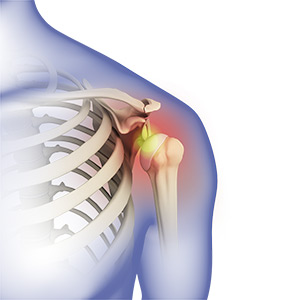
The shoulder joint is a ball and socket joint. A ball at the top of the upper arm bone (humerus) fits neatly into a socket, called the glenoid, which is part of the shoulder blade (scapula). The glenoid is surrounded by a ring of fibrous cartilage called the labrum for stabilization of the shoulder joint.
What is Shoulder Dislocation?
Sports that involve overhead movements and repeated use of the shoulder at your workplace may lead to sliding of the upper arm bone from the glenoid. The dislocation might be a partial dislocation (subluxation) or a complete dislocation causing pain and shoulder joint instability. The shoulder joint often dislocates in the forward direction (anterior instability), and sometimes in the backward or downward direction.
What are the Symptoms of Shoulder Dislocation?
The most common symptoms of shoulder dislocation include pain and shoulder joint instability. Other symptoms such as swelling, numbness and bruising may also occur. At times, it may cause tears in the ligaments or tendons of the shoulder and nerve damage.
How is Shoulder Dislocation Diagnosed?
Your doctor will examine your shoulder and may order an X-ray to confirm the diagnosis.
How is Shoulder Dislocation Treated?
The condition is treated by a process called closed reduction, which involves placing the ball of the upper arm back into the socket. Following this, the shoulder will be immobilized using a sling for several weeks. Ice may be applied over the area 3-4 times a day. Rehabilitation exercises may be started to restore range of motion, once the pain and swelling decrease.
Shoulder Dislocation FAQs
What is a shoulder dislocation?
A shoulder dislocation occurs when the ball of the upper arm bone (humerus) moves out of the shoulder socket (glenoid). It may be a complete dislocation or a partial dislocation, known as a subluxation.
What causes a shoulder dislocation?
Common causes include falls, sports injuries, motor vehicle accidents, direct trauma, and repetitive overhead activities. Contact sports such as football, basketball, and wrestling are common sources of shoulder dislocations.
What are the symptoms of a shoulder dislocation?
Symptoms often include severe shoulder pain, visible deformity, swelling, bruising, limited movement, numbness, weakness, and the feeling that the shoulder has "popped out" of place.
How is a shoulder dislocation diagnosed?
Diagnosis includes a physical examination and X-rays to confirm the dislocation and identify any associated fractures. In some cases, MRI may be recommended to evaluate injuries to the labrum, ligaments, or rotator cuff.
How is a shoulder dislocation treated?
Initial treatment typically involves a closed reduction, in which the shoulder is carefully guided back into its normal position. After reduction, the shoulder is usually immobilized in a sling, followed by physical therapy to restore strength and stability.
Will I need surgery after a shoulder dislocation?
Not everyone requires surgery. First-time dislocations often respond well to conservative treatment. However, patients with recurrent dislocations, significant labral tears, or persistent instability may benefit from arthroscopic shoulder stabilization surgery.
How long does recovery take?
Recovery depends on the severity of the injury and whether surgery is needed. Many patients begin rehabilitation within a few weeks, while return to sports or physically demanding activities may take several months.
Can a shoulder dislocate again?
Yes. Once the shoulder has dislocated, the risk of recurrence is higher, especially in younger patients and athletes. Proper rehabilitation and, when appropriate, surgical stabilization can significantly reduce the likelihood of future dislocations.
Schedule a Shoulder Dislocation Evaluation in Mount Pleasant, SC
If you have experienced a shoulder dislocation or your shoulder continues to feel unstable after an injury, early evaluation can help prevent recurrent instability and additional joint damage.
Dr. Ohlson proudly serves patients in Mount Pleasant, Charleston, Summerville, and surrounding South Carolina communities with comprehensive care for shoulder dislocations and shoulder instability. Schedule your appointment today to schedule your consultation and receive a personalized treatment plan focused on restoring strength, stability, and confidence in your shoulder.