
Shin Splints Treatment in Mount Pleasant, SC
Pain along the front or inside of your lower leg during exercise may be a sign of shin splints, also known as medial tibial stress syndrome (MTSS). This common overuse injury frequently affects runners, dancers, military recruits, and athletes who participate in repetitive, high-impact activities. Blake Ohlson, M.D. is a board-certified, fellowship-trained orthopedic surgeon and regenerative medicine specialist providing expert diagnosis and treatment for shin splints in Mount Pleasant, SC. His goal is to relieve pain, identify the underlying cause, and help patients safely return to their sport or active lifestyle.
Because lower leg pain can sometimes indicate more serious conditions such as stress fractures or chronic exertional compartment syndrome, an accurate diagnosis is essential. Dr. Ohlson performs a comprehensive evaluation and develops an individualized treatment plan that may include activity modification, physical therapy, footwear recommendations, regenerative therapies when appropriate, and surgical treatment for severe cases.
What are Shin Splints?
Shin splints are pain and inflammation of the tendons, muscles and bone tissue along the tibia or shinbone (lower leg). It occurs because of vigorous physical activities such as exercise or sports. The condition is also referred to as medial tibial stress syndrome (MTSS).
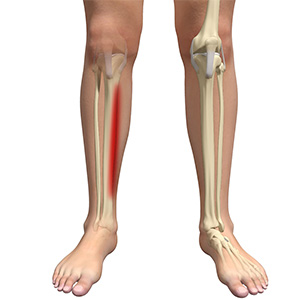
What are the Causes of Shin Splints?
The common cause of shin splints is the overuse of muscles and bone tissue of the tibia because of repetitive sports activities and a sudden change in the physical activity level. The other causes of shin splints include:
- Stress fractures (tiny, hairline breaks) of the leg bone, which may cause sharp pain
- Tendonitis caused by a partial tear in the tendon
- Chronic exertional compartment syndrome, which is the swelling of muscles due to exertion caused by increased pressure within the muscle compartment. Pain is severe because of loss of blood supply to the muscle.
Flat feet or a rigid arch and use of improper or worn-out footwear while exercising may increase the risk of developing shin splints. Runners and dancers are at a higher risk of developing shin splints.
What are the Symptoms of Shin Splints?
The most commonly occurring symptoms include pain in the front of the lower leg, during or after exercises. Mild swelling may develop in the lower leg because of which you may feel weak or numb.
How are Shin Splints Diagnosed?
Your doctor will diagnose the shin splits through a physical examination of the lower leg. In some cases, an X-ray or other tests may be required to detect stress fractures of the tibia.
What are the Treatment Options for Shin Splints?
The treatment for shin splints consists of non-surgical and surgical procedures. The non-surgical or conservative procedures include:
- Rest: Ensure that you get adequate rest. Avoid activities that cause pain for at least 2-4 weeks. You can try low-impact exercises such as swimming, bicycling or water running.
- Non-steroidal anti-inflammatory medicines: NSAIDs are administered to reduce pain and swelling.
- Ice: Apply ice packs wrapped over a cloth on the affected area for 15-20 minutes four times a day for several days. Never place ice directly over the skin.
- Compression: Wrap the leg with an elastic bandage to reduce swelling.
- Flexibility exercises: This involves exercises to stretch the leg muscles to reduce pain and improve muscle strength.
- Supportive shoes: Ensure that your child wears shoes that provide good cushioning and support for the feet as it helps reduce stress on the shinbone.
Surgical treatment is an option that is considered only in very severe cases when conservative methods fail to relieve pain. Surgery may be required when pain becomes severe due to compartment syndrome. Fasciotomy is a surgical procedure where the tough and fibrous tissue is split to relieve the pressure built up within muscle compartments.
Shin splints can be prevented by following these measures:
- Ensure that you always wear proper fitting athletic shoes with good support.
- Make sure to warm up and stretch the leg muscles before starting any vigorous activity.
- Avoid running on hard surfaces like concrete.
- Ensure that you start any new activity slowly and progress gradually by increasing the duration and frequency of the exercise regimen.
Why Choose Dr. Blake Ohlson for Shin Splints in Mount Pleasant, SC?
Persistent lower leg pain should not be ignored, particularly if it interferes with your ability to exercise or participate in sports. Dr. Blake Ohlson provides comprehensive orthopedic care for athletes and active individuals experiencing shin splints and other overuse injuries.
Patients throughout Mount Pleasant choose Dr. Ohlson because he offers:
- Board-certified, fellowship-trained orthopedic expertise
- Extensive experience treating sports medicine and overuse injuries
- Comprehensive evaluation to distinguish shin splints from stress fractures and other conditions
- Personalized treatment plans tailored to your activity level and goals
- Advanced diagnostic imaging when necessary
- Non-surgical treatment options focused on recovery and injury prevention
- Regenerative medicine therapies for appropriate patients
- Surgical expertise for compartment syndrome and other advanced conditions
- Convenient orthopedic care serving Mount Pleasant and the surrounding Lowcountry
Dr. Ohlson focuses on identifying the cause of your symptoms while helping you recover safely and reduce the risk of future injuries.
Shin Splints FAQs
What are shin splints?
Shin splints, or medial tibial stress syndrome (MTSS), refer to pain and inflammation along the inner edge of the shinbone caused by repetitive stress on the muscles, tendons, and bone.
Who is at risk for developing shin splints?
Shin splints commonly affect runners, dancers, military recruits, basketball players, soccer players, and anyone who rapidly increases the intensity or duration of physical activity.
What causes shin splints?
The condition is usually caused by repetitive impact activities, overtraining, improper footwear, flat feet, high arches, poor running mechanics, or exercising on hard surfaces.
How are shin splints different from a stress fracture?
Shin splints typically cause diffuse pain along the shin that improves with rest, while stress fractures often produce more localized pain that may persist even during normal walking. Imaging studies may be needed to distinguish between the two.
How are shin splints diagnosed?
Diagnosis involves a detailed medical history and physical examination. If a stress fracture or another condition is suspected, your doctor may recommend X-rays, MRI, or other imaging studies.
Can shin splints heal without surgery?
Yes. Most patients recover with conservative treatment, including rest, ice, activity modification, physical therapy, supportive footwear, stretching, and anti-inflammatory medications.
How can I prevent shin splints from returning?
Gradually increasing training intensity, wearing supportive athletic shoes, warming up properly, strengthening the lower leg muscles, and avoiding excessive training on hard surfaces can significantly reduce the risk of recurrence.
Schedule a Shin Splints Evaluation in Mount Pleasant, SC
If persistent shin pain is limiting your ability to run, train, or stay active, early evaluation can help prevent more serious injuries and speed your recovery.
Dr. Blake Ohlson provides comprehensive evaluation and treatment for shin splints, stress injuries, and other sports-related lower extremity conditions for patients throughout Mount Pleasant, Charleston, Summerville, and surrounding South Carolina communities. Whether you require conservative treatment, rehabilitation, regenerative medicine, or surgical care, you'll receive a personalized treatment plan designed to help you return to your active lifestyle safely.
Schedule your appointment today to receive expert shin splints treatment in Mount Pleasant, SC