
Platelet-Rich Plasma (PRP) Injections for the Hip in Mount Pleasant, SC
Hip pain can make it difficult to walk, exercise, climb stairs, or participate in the activities you enjoy. Whether your discomfort is caused by hip osteoarthritis, tendon injuries, bursitis, or a labral tear, early treatment may help improve mobility and reduce pain. Blake Ohlson, M.D. offers Platelet-Rich Plasma (PRP) injections for the hip in Mount Pleasant, SC, providing a minimally invasive regenerative medicine treatment that harnesses your body's natural healing abilities to support tissue repair.
PRP therapy uses concentrated platelets obtained from your own blood and is designed to promote healing while reducing inflammation in selected hip conditions. Dr. Ohlson performs comprehensive evaluations to determine whether PRP therapy is appropriate for your diagnosis and develops individualized treatment plans based on your symptoms, activity level, and long-term goals. Patients throughout Mount Pleasant, Charleston, and Summerville seek PRP therapy as a non-surgical option to help improve hip function and maintain an active lifestyle.
What are Platelet-Rich Plasma (PRP) Injections for the Hip?
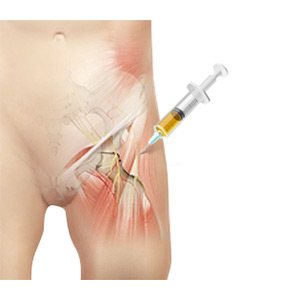
Platelet-rich plasma (PRP) injections for the hip are a regenerative treatment option designed to address pain and inflammation caused by conditions like osteoarthritis, tendinopathies, labral tears, or other soft tissue injuries. PRP therapy involves drawing a patient’s blood, processing it to concentrate the platelets, and injecting it into the affected area. The platelets, which are rich in growth factors and proteins, help promote tissue repair, reduce inflammation, and stimulate the body’s natural healing process.
What are the Indications for Platelet-Rich Plasma (PRP) Injections for the Hip?
PRP injections for the hip may be indicated to treat hip conditions, such as:
- Hip Osteoarthritis: Helps reduce inflammation and improve cartilage health.
- Hip Labral Tears: Promotes tissue repair in the damaged labrum.
- Tendon Injuries: Supports healing in tendons like the iliopsoas or gluteus medius tendons.
- Hip Bursitis: Reduces inflammation in the bursae around the hip joint.
What is the Procedure for Platelet-Rich Plasma (PRP) Injections for the Hip?
The procedure for administration of platelet-rich plasma (PRP) injections for the hip is minimally invasive, typically performed under ultrasound guidance to ensure precise delivery. In general, the procedure involves the following steps:
- A small amount of blood (usually 15-50 mL) is drawn from the patient’s arm.
- The blood is placed in a centrifuge, which spins at high speed to separate the components of the blood.
- Platelets are concentrated into the plasma, which contains a high level of growth factors. This forms the PRP.
- The hip area is sterilized to reduce the risk of infection.
- Local anesthesia may be applied to minimize discomfort during the injection.
- The PRP is then injected into the targeted area using a fine needle, such as the hip joint, tendons, or surrounding soft tissue under imaging guidance (ultrasound or fluoroscopy) to ensure precise placement.
- The procedure typically takes 15-30 minutes.
What Does Postoperative Care for Platelet-Rich Plasma (PRP) Injections of the Hip Involve?
After a platelet-rich plasma injection for the hip, patients may experience mild swelling, soreness, or stiffness at the injection site for a few days as the body begins its natural healing process. Patients are usually advised to rest the treated hip for 24-48 hours. Avoid strenuous activities or high-impact exercises for a few weeks. Over time, the concentrated platelets release growth factors that promote tissue repair, reduce inflammation, and improve joint function. Patients often notice progressive pain relief and improved mobility within 4-6 weeks, though the timeline may vary depending on the severity of the condition.
What are the Risks and Complications of Platelet-Rich Plasma (PRP) Injections for the Hip?
Platelet-rich plasma injections for the hip are generally considered safe, as they use the patient’s own blood, minimizing the risk of allergic reactions or infections. However, like any medical procedure, there are potential risks and complications, including:
- Pain and discomfort
- Bruising
- Bleeding or hematoma
- Nerve or tissue damage
- Allergic reactions/infection (rarely)
Why Choose Dr. Blake Ohlson for Platelet-Rich Plasma (PRP) Injections for the Hip in Mount Pleasant, SC?
Successful regenerative medicine begins with an accurate diagnosis and personalized treatment approach. Dr. Blake Ohlson combines advanced orthopedic expertise with specialized regenerative medicine training to provide evidence-based PRP therapy for patients experiencing hip pain from arthritis, tendon injuries, and other musculoskeletal conditions.
Patients throughout Mount Pleasant and the surrounding Lowcountry choose Dr. Ohlson because he provides:
- Comprehensive evaluations to identify the source of hip pain
- Expertise in orthopedic and regenerative medicine treatments
- Ultrasound-guided PRP injections for precise treatment when appropriate
- Personalized care plans tailored to each patient's diagnosis and goals
- Conservative treatment options before considering surgery whenever possible
- Care for athletes, active adults, and individuals with chronic hip pain
- A patient-centered approach focused on restoring mobility, reducing pain, and improving quality of life
Whether your hip pain is affecting your work, recreational activities, or daily routine, Dr. Ohlson works closely with you to determine whether PRP therapy is an appropriate treatment option.
Frequently Asked Questions About PRP Injections for the Hip
What conditions can PRP injections treat in the hip?
PRP injections may be recommended for conditions such as mild to moderate hip osteoarthritis, hip labral tears, gluteal or iliopsoas tendon injuries, hip bursitis, and other chronic soft tissue injuries. Your physician will determine if PRP is appropriate based on your diagnosis and overall health.
How do PRP injections help relieve hip pain?
PRP contains concentrated platelets and growth factors obtained from your own blood. These growth factors may help support the body's natural healing response, reduce inflammation, and improve tissue repair, potentially leading to reduced pain and improved hip function over time.
Is the PRP injection procedure painful?
Most patients tolerate the procedure well. A local anesthetic may be used to improve comfort during the injection. Mild soreness or stiffness around the injection site is common for several days following treatment and usually resolves on its own.
How long does it take to see results after hip PRP therapy?
Recovery varies depending on the condition being treated and individual healing response. Many patients begin noticing gradual improvements in pain and mobility within four to six weeks, while continued improvement may occur over the following months.
Is PRP therapy covered by insurance?
Many insurance providers currently consider PRP therapy investigational and may not provide coverage. Our office will discuss treatment costs, expectations, and available options with you before scheduling your procedure.
Schedule a PRP Consultation for Hip Pain in Mount Pleasant, SC
If chronic hip pain is limiting your mobility or keeping you from the activities you enjoy, Platelet-Rich Plasma (PRP) therapy may offer a minimally invasive treatment option. Dr. Blake Ohlson provides personalized evaluations and regenerative medicine treatment plans for patients throughout Mount Pleasant, Charleston, Summerville, and surrounding South Carolina communities.
Contact our office today to schedule a consultation and learn whether PRP injections for the hip may help reduce pain, support healing, and restore your active lifestyle.