
Microfragmented Adipose Tissue (MFAT) Therapy in Mount Pleasant, SC
If chronic joint pain or tendon injuries continue to interfere with your daily activities, regenerative medicine may provide a minimally invasive treatment option. Blake Ohlson, M.D. offers Microfragmented Adipose Tissue (MFAT) therapy in Mount Pleasant, SC to help support the body's natural healing response for selected orthopedic conditions. Using your own adipose (fat) tissue, MFAT therapy is designed to reduce inflammation, promote tissue repair, and improve function in patients with certain musculoskeletal injuries and degenerative conditions. Every treatment begins with a comprehensive evaluation to determine whether MFAT is an appropriate option based on your diagnosis, symptoms, and treatment goals.
What is Microfragmented Adipose Tissue (MFAT)?
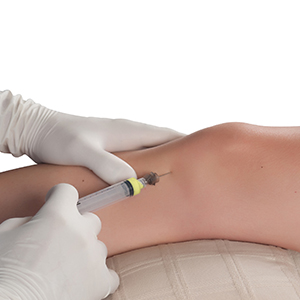
Microfragmented Adipose Tissue (MFAT) is a type of regenerative therapy that involves the processing of adipose (fat) tissue to obtain a concentrated source of adipose-derived stromal cells. These cells are then used to treat various painful conditions, particularly those involving musculoskeletal issues such as osteoarthritis of the joints and tendon injuries. MFAT is typically administered in the form of injection to the treatment area to promote tissue repair and regeneration, inflammation modulation, as well as relieve pain.
Indications for Microfragmented Adipose Tissue (MFAT)
Your physician may recommend microfragmented adipose tissue for treating chronic pain and enhancing the healing process from conditions, such as:
- Osteoarthritis: MFAT is commonly used to treat knee osteoarthritis, providing pain relief and improving joint function.
- Tendon Injuries: It is also applied in the treatment of chronic tendinopathies and tendon tears.
- Soft Tissue Injuries: MFAT can be used to enhance healing in various soft tissue injuries and relieve pain.
Procedure Involved in Microfragmented Adipose Tissue (MFAT) Therapy
Microfragmented adipose tissue (MFAT) treatment involves processing adipose (fat) tissue from the patient's own body to isolate and concentrate the regenerative components, particularly adipose-derived stem cells (ADSCs) and growth factors. In general, the procedure involves the following steps:
- Harvesting Adipose Tissue: The procedure begins with the extraction of adipose tissue from the patient's body. Common donor sites for adipose tissue harvest include the abdomen, thighs, or buttocks. A minor surgical procedure, such as liposuction or a mini-liposuction technique, is typically used to obtain the adipose tissue.
- Processing and Microfragmentation: Once harvested, the adipose tissue is processed to isolate the regenerative components. This processing step usually involves enzymatic digestion or mechanical disruption to break down the adipose tissue into smaller fragments. The goal is to release ADSCs, growth factors, and other bioactive molecules from the adipose tissue matrix.
- Centrifugation or Filtration: After fragmentation, the processed adipose tissue may undergo further steps such as centrifugation or filtration to separate the desired regenerative components from other tissue debris, oils, and fluids.
- Injection or Implantation: The concentrated MFAT product containing ADSCs and growth factors is then prepared for administration. Depending on the specific medical indication, the MFAT may be injected directly into the target tissue or implanted at the site of injury or pathology. In some cases, it may be combined with biomaterial scaffolds or carriers to enhance its therapeutic effects and facilitate tissue regeneration.
- Regenerative Effects: Once administered, the ADSCs and growth factors within the MFAT exert their regenerative effects. Over time, the regenerative properties of MFAT promote tissue repair and regeneration at the site of injury or pathology. This may manifest as improved function, reduced pain, enhanced tissue quality, and restoration of damaged structures.
Follow-up and Monitoring
Patients undergoing MFAT treatment typically undergo follow-up evaluations to assess the outcomes of the therapy. Depending on the medical indication, multiple treatment sessions may be recommended to achieve optimal results.
Benefits of Microfragmented Adipose Tissue (MFAT)
Some of the benefits of microfragmented adipose tissue (MFAT) therapy include:
- Minimally Invasive: The procedure is less invasive compared to traditional surgical options to relieve painful conditions such as osteoarthritis.
- Autologous: Since the adipose tissue is derived from the patient’s own body, there is a reduced risk of rejection or adverse reactions.
- Regenerative Potential: The regenerative cells in MFAT can help in reducing inflammation, promoting tissue repair, and potentially delaying or preventing the need for more invasive procedures like joint replacement surgery.
Why Choose Dr. Blake Ohlson for Microfragmented Adipose Tissue (MFAT) in Mount Pleasant, SC?
Selecting an experienced orthopedic specialist is important when considering regenerative medicine treatments. Dr. Blake Ohlson combines advanced expertise in orthopedic surgery, sports medicine, and biologic therapies to create individualized treatment plans focused on improving mobility and reducing pain.
Patients throughout Mount Pleasant, Charleston, Summerville, and surrounding South Carolina communities choose Dr. Ohlson because he offers:
- Thorough evaluations to determine whether MFAT therapy is appropriate for your condition
- Experience treating joint, tendon, ligament, and soft tissue disorders with regenerative techniques
- Personalized care plans tailored to your diagnosis, activity level, and recovery goals
- Image-guided procedures when appropriate for accurate treatment placement
- A commitment to conservative treatment options before recommending surgery whenever possible
- Comprehensive follow-up care to monitor healing and optimize recovery
Dr. Ohlson believes every patient deserves a personalized approach and takes the time to discuss expected outcomes, recovery, and all available treatment options before proceeding.
FAQs About Microfragmented Adipose Tissue (MFAT) in Mount Pleasant, SC
What conditions may be treated with MFAT?
MFAT may be considered for selected patients with osteoarthritis, chronic tendon injuries, ligament injuries, and certain soft tissue conditions. Your physician will determine whether it is appropriate based on your diagnosis and overall health.
Is MFAT the same as stem cell therapy?
MFAT utilizes regenerative cells naturally present within your own adipose tissue. While it contains adipose-derived stromal cells and other biologic components, your physician can explain how this treatment differs from other regenerative medicine therapies and whether it is suitable for your condition.
How long does recovery take after MFAT treatment?
Most patients experience mild soreness or swelling at both the fat harvest and injection sites for several days. Recovery timelines vary depending on the treatment area, and your physician will provide individualized instructions regarding activity restrictions and rehabilitation.
Does MFAT eliminate the need for surgery?
Not necessarily. Some patients experience meaningful improvement with MFAT therapy, while others may still require surgery depending on the severity of their condition. The goal is to support the body's natural healing process and improve symptoms when appropriate.
Schedule MFAT Therapy in Mount Pleasant, SC
If joint pain, osteoarthritis, or chronic tendon injuries are affecting your quality of life, Dr. Blake Ohlson offers comprehensive evaluations and advanced regenerative medicine treatments, including Microfragmented Adipose Tissue (MFAT) therapy in Mount Pleasant, SC. After identifying the source of your symptoms, he will recommend a personalized treatment plan designed to reduce pain, improve function, and support your body's natural healing process.
Contact our office today to schedule a consultation and find out whether MFAT therapy may be an appropriate option for your orthopedic condition.