
Knee Dislocation Treatment in Mount Pleasant, SC
A knee dislocation is a serious orthopedic injury that occurs when the bones of the knee joint become displaced, often resulting in damage to nearby ligaments, nerves, blood vessels, and other soft tissues. Although relatively uncommon, knee dislocations are considered medical emergencies and require prompt evaluation to protect long-term knee function and leg health.
Blake Ohlson, M.D. provides expert diagnosis and treatment for knee dislocations in Mount Pleasant, SC. As a board-certified orthopedic surgeon and regenerative medicine specialist, he offers comprehensive care for complex knee injuries, including ligament damage, joint instability, and traumatic knee conditions. Early diagnosis and personalized treatment are essential to restoring stability, preserving mobility, and helping patients achieve the best possible recovery.
What is Knee Dislocation?
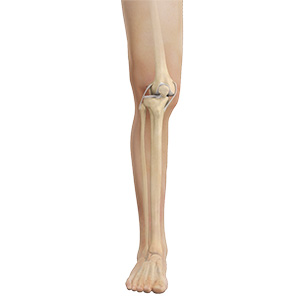
Knee dislocation is a condition that occurs when the bones that form the knee joint, namely the femur or thigh bone get separated from the shin bone. This can cause serious damage to the nerves, blood vessels, and ligaments surrounding the knee, leading to a decline in strength and overall health of the leg.
What are the Causes of Knee Dislocation?
Dislocation of the knee is rare. When it does occur, it is usually caused due to high impact injuries from automobile accidents, severe falls, or sports.
What are the Symptoms of Knee Dislocation?
The dislocation of the knee can occur quickly. You may hear a popping sound at the time of the injury. Other symptoms can include:
- Severe pain
- Visible deformity at the knee joint
- Swelling
- Instability of the knee joint
- Limitations in the movement of the knee
How is Knee Dislocation Diagnosed?
Your doctor will review your symptoms and medical history and perform a thorough physical examination to check for a range of motion and any damage to the ligaments, blood flow, stability, and skin color. The following diagnostic tests may be performed for further evaluation of the injured knee.
- X-rays: During this study, high electromagnetic energy beams are used to produce images of the bones
- CT scan: Special X-rays are used to produce images of any damage in the knee
How is Knee Dislocation Treated?
You will be instructed to apply an ice pack and keep your knee in an elevated position to reduce swelling. Depending on your condition, your doctor will place the affected leg in a therapeutic brace to keep it stable and may prescribe medications to reduce pain and swelling. You may need surgery to repair any damaged ligaments, blood vessels, nerves, or any adjacent structures of the knee.
Why Choose Dr. Blake Ohlson for Knee Dislocation Treatment in Mount Pleasant, SC?
A knee dislocation can involve more than just the joint itself. Because surrounding ligaments, nerves, and blood vessels may also be injured, specialized orthopedic care is critical. Dr. Blake Ohlson provides thorough evaluations and individualized treatment plans designed to address both the immediate injury and long-term knee function.
Patients throughout Mount Pleasant choose Dr. Ohlson because he offers:
- Board-certified orthopedic surgery expertise
- Comprehensive evaluation of traumatic knee injuries
- Advanced imaging and diagnostic assessment
- Expertise in treating complex ligament injuries and knee instability
- Personalized treatment plans based on the severity of the injury
- Surgical and non-surgical treatment options
- Customized rehabilitation programs focused on restoring strength and mobility
- Care for athletes, active adults, and trauma patients throughout Mount Pleasant, Charleston, Summerville, and surrounding South Carolina communities
Dr. Ohlson's goal is to help patients recover safely while minimizing the risk of chronic instability, stiffness, and future knee complications.
Knee Dislocation FAQs
Is a knee dislocation a medical emergency?
Yes. A knee dislocation can damage important blood vessels and nerves surrounding the joint. Immediate medical evaluation is necessary to assess circulation, nerve function, and structural damage within the knee.
What causes a knee dislocation?
Most knee dislocations result from high-impact trauma, including motor vehicle accidents, severe falls, or sports injuries. The force involved is often significant enough to damage multiple structures within the knee.
What are the symptoms of a knee dislocation?
Symptoms may include severe pain, swelling, visible deformity of the knee, instability, inability to bear weight, limited range of motion, and a popping sensation at the time of injury.
How is a knee dislocation diagnosed?
Dr. Ohlson will perform a thorough physical examination and evaluate blood flow, nerve function, and ligament stability. Imaging studies such as X-rays and CT scans are commonly used to assess the extent of the injury.
Will I need surgery after a knee dislocation?
Many knee dislocations involve ligament tears or damage to surrounding structures that may require surgical repair or reconstruction. The need for surgery depends on the severity of the injury and the structures involved.
How long does recovery take after a knee dislocation?
Recovery varies depending on the extent of ligament, nerve, or vascular damage. Some patients recover within several months, while more complex injuries may require longer rehabilitation. Dr. Ohlson will develop a personalized treatment and recovery plan based on your specific injury.
Schedule a Knee Dislocation Evaluation in Mount Pleasant, SC
A knee dislocation should never be ignored. Prompt orthopedic evaluation is critical to identify associated injuries and begin appropriate treatment as quickly as possible.
Schedule your appointment with Dr. Ohlson in Mount Pleasant, SC, for expert diagnosis and treatment of knee dislocations and complex knee injuries. Serving patients throughout Mount Pleasant, Charleston, Summerville, and surrounding South Carolina communities, Dr. Ohlson provides comprehensive orthopedic care focused on restoring stability, protecting joint health, and helping patients return to an active lifestyle.