
Hip Bursectomy in Mount Pleasant, SC
Persistent pain on the outside of your hip can make simple activities like walking, climbing stairs, or sleeping on your side uncomfortable. If conservative treatments have not provided lasting relief, hip bursectomy may be an effective solution for chronic hip bursitis. Blake Ohlson, M.D. offers comprehensive evaluation and advanced surgical care for patients in Mount Pleasant, SC, using minimally invasive techniques whenever appropriate to reduce pain, improve mobility, and help patients return to their daily activities. Every treatment plan is tailored to the underlying cause of hip pain, ensuring care that aligns with each patient's goals and lifestyle.
What is Hip Bursectomy?
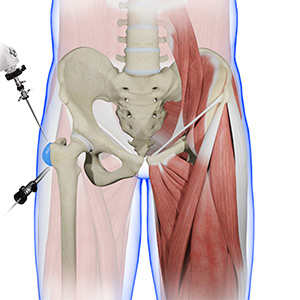
A hip bursectomy is a surgical procedure to remove an inflamed or irritated bursa in the hip. The bursa is a small fluid-filled sac that helps reduce friction between bones, tendons, and muscles. When it becomes inflamed (bursitis) due to overuse, injury, or underlying conditions like arthritis, it can cause chronic pain and limit mobility.
Types of Hip Bursectomy
Hip bursectomy can be performed either through a traditional open surgical approach or a minimally invasive arthroscopic approach.
- Open Bursectomy – Traditional surgery performed with a larger incision.
- Arthroscopic (Minimally Invasive) Bursectomy – Performed using a small camera and instruments through tiny incisions.
Indications for Hip Bursectomy
Hip bursectomy is typically recommended when:
- Conservative treatments, such as rest, physical therapy, anti-inflammatory medications, and corticosteroid injections have failed
- The bursitis becomes chronic and significantly affects mobility
- There is calcification, thickening, or infection of the bursa
- The patient has recurring pain despite non-surgical treatments
Procedure for Hip Bursectomy
Hip bursectomy is usually performed using general anesthesia, meaning you will be asleep throughout the procedure. In some cases, regional or local anesthesia may be employed.
Open Hip Bursectomy (Traditional Surgery)
This is the more invasive approach, typically used if the bursa is severely inflamed, has significant scarring, or if other hip structures need repair.
- A 3-6 cm incision is made over the greater trochanter (the bony prominence on the outer hip).
- The surgeon carefully moves aside muscles and tendons to expose the inflamed trochanteric bursa.
- The entire bursa is excised to eliminate the source of inflammation.
- If needed, damaged tendons, thickened tissue, or bone spurs may also be smoothed, repaired, or removed.
- The incision is closed with sutures or staples, and a sterile dressing is applied.
Arthroscopic Hip Bursectomy (Minimally Invasive)
This approach is less invasive and offers faster recovery with smaller incisions. An arthroscope is a small, fiber-optic instrument consisting of a lens, light source, and video camera. The camera displays images of the inside of the joint onto a monitor, allowing your surgeon to assess any damage and perform a repair.
- Two to three small 1 cm incisions are made around the hip.
- An arthroscope is inserted into the joint to visualize the bursa and surrounding structures.
- Specialized arthroscopic instruments are used to shave away or excise the bursa.
- If necessary, tendon or bone work may also be performed. This may involve repairing the damaged tendon, such as gluteus medius tears, or trimming the bone spurs.
- The joint is flushed with saline to remove debris, and the incisions are closed with sutures or adhesive strips.
Postoperative Care and Recovery
After hip bursectomy, patients are monitored in a recovery area before being discharged home the same day (for arthroscopic procedures) or after a short hospital stay (for open surgery). Pain management includes oral pain relievers, anti-inflammatory medications, and sometimes ice therapy to reduce swelling. Patients are advised to limit weight-bearing activities initially, often using crutches or a walker for support. A physical therapy program begins early, focusing on gentle range-of-motion exercises, followed by progressive strengthening to restore hip function. Stitches or skin adhesives are removed within 10-14 days, and patients can typically resume light activities within 4-6 weeks, with full recovery taking up to 3 months for open surgery. Avoiding excessive hip strain and following a structured rehab plan is crucial for optimal healing and preventing bursitis recurrence.
Risks and Complications
Risks and complications associated with hip bursectomy include:
- Infection
- Persistent pain or stiffness
- Recurrence of bursitis
- Nerve or tissue damage
- Blood clots or deep vein thrombosis (DVT)
- Anesthesia-related risks
Why Choose Dr. Blake Ohlson for Hip Bursectomy in Mount Pleasant, SC?
Choosing the right orthopedic specialist is an important step toward achieving long-term relief from chronic hip pain. Dr. Blake Ohlson provides individualized care for patients with persistent hip bursitis and other hip conditions, combining extensive orthopedic expertise with the latest surgical techniques.
Patients throughout Mount Pleasant choose Dr. Ohlson because he offers:
- Comprehensive evaluation to determine whether surgery is the most appropriate treatment
- Expertise in both arthroscopic (minimally invasive) and open hip bursectomy procedures
- Personalized treatment plans based on each patient's symptoms, activity level, and overall health
- Advanced diagnostic imaging for accurate diagnosis and surgical planning
- Emphasis on preserving hip function while relieving pain
- Detailed rehabilitation guidance to support a safe recovery and return to normal activities
- Compassionate, patient-centered care focused on long-term outcomes
Whether your symptoms are caused by chronic bursitis, tendon problems, or associated hip conditions, Dr. Ohlson works closely with you to develop a treatment strategy designed to restore comfort and improve quality of life.
FAQs About Hip Bursectomy in Mount Pleasant, SC
Who is a good candidate for hip bursectomy?
Hip bursectomy may be recommended for patients with chronic hip bursitis who continue to experience pain despite conservative treatments such as rest, physical therapy, medications, and corticosteroid injections.
Is hip bursectomy performed arthroscopically?
Yes. Many patients are candidates for arthroscopic hip bursectomy, which uses small incisions and specialized instruments to remove the inflamed bursa while minimizing tissue disruption and promoting a faster recovery.
How long does recovery take after hip bursectomy?
Recovery varies depending on the surgical approach and individual healing. Many patients resume light activities within four to six weeks after arthroscopic surgery, while complete recovery following open surgery may take several months.
Will I need physical therapy after surgery?
Yes. Physical therapy is an important part of recovery and helps restore strength, flexibility, range of motion, and normal hip function while reducing the risk of future problems.
Can hip bursitis return after surgery?
Although hip bursectomy is generally successful at relieving chronic bursitis, recurrence is possible in some cases. Following your rehabilitation program and addressing contributing factors can help reduce the likelihood of symptoms returning.
Schedule a Hip Bursectomy Consultation in Mount Pleasant, SC
If chronic hip pain is limiting your mobility or preventing you from enjoying everyday activities, Dr. Blake Ohlson can help determine whether hip bursectomy is the right treatment for your condition.
Contact our office today to schedule a comprehensive evaluation and learn about personalized treatment options designed to relieve pain, restore movement, and help you return to an active lifestyle.