
If knee arthritis is slowing you down, you've probably been told your options are limited: anti-inflammatories, cortisone shots, or eventually a knee replacement. But there's a middle ground worth understanding—platelet-rich plasma, or PRP.
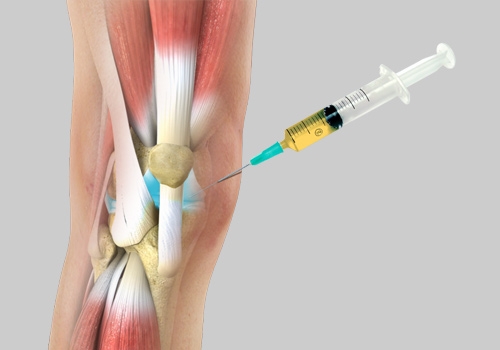
PRP is a same-day, in-office procedure that uses your own blood. We draw a small sample, concentrate the platelets in a centrifuge, and inject that platelet-rich solution directly into the affected knee. Those platelets release growth factors that help calm inflammation and support the joint's own repair processes.
For patients with mild to moderate knee osteoarthritis, the research is encouraging. Multiple studies have shown that PRP can reduce pain and improve function, often with results that outlast a traditional cortisone injection. Because it uses your own biology, there's no risk of allergic reaction, and downtime is minimal.
PRP isn't a cure, and it won't rebuild a joint that's bone-on-bone. It works best earlier in the arthritis process, when there's still cartilage worth protecting. Think of it as a way to buy time, stay active, and potentially delay or avoid surgery.
Every knee is different. The right candidate, the right timing, and proper injection technique all matter. That's why a thorough evaluation comes first—we want to be honest about whether PRP is likely to help you specifically.
If you're curious whether PRP fits your situation, we'd be glad to talk it through. Your knees have a lot of miles left in them.